Related Article

Inform overseas B2B buyers, cleaning robot makers and factory integrators of the new oil-chemical resistant robot skin silicone. Highlight grease, detergent and weak-acid/alkali resistance, attract sample requests and orders from cleaning and industrial dirty-environment robot makers.
New Oil-Chemical Resistant Bionic Silicone
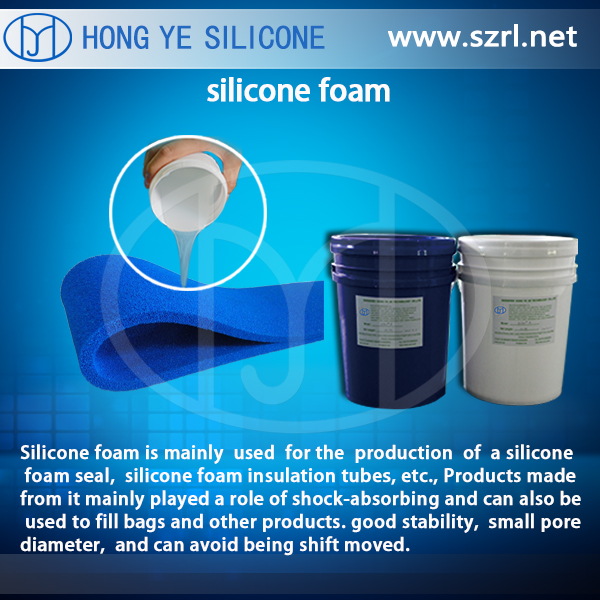
With the continuous upgrading of building energy-efficiency requirements, customers are putting forward higher requirements for lightweight, heat-insulating and weather-resistant materials. A domestic silicone material manufacturer has adjusted its formula for liquid silicone Foam, successfully launching low-density addition curing foam products, which have drawn steady inquiries from overseas buyers.
Low-Density Liquid Silicone Foam Gains Traction
Inform overseas B2B buyers, electronics manufacturers and cleanroom robot integrators of the new anti-static ESD robot skin silicone. Highlight stable electrostatic dissipation, no dust shedding and cleanroom suitability, attract sample requests and orders from electronics and chip-handling robot makers.
robot skin silicone,
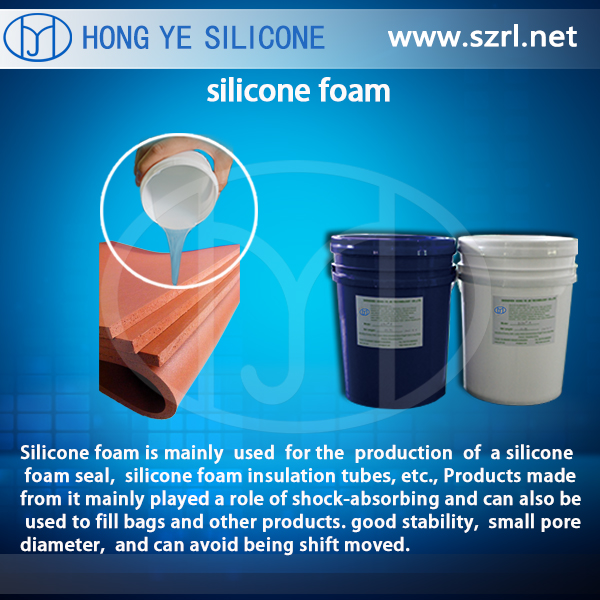
With the continuous upgrading of building energy-efficiency requirements, customers are putting forward higher requirements for lightweight, heat-insulating and weather-resistant materials. A domestic silicone material manufacturer has adjusted its formula for liquid silicone Foam, successfully launching low-density addition curing foam products, which have drawn steady inquiries from overseas buyers.
Low-Density Liquid Silicone Foam Gains Traction