
How to Choose the Right Hardness of Pad Printing Silicone for Different Products
author: Lulu
2026-09-02
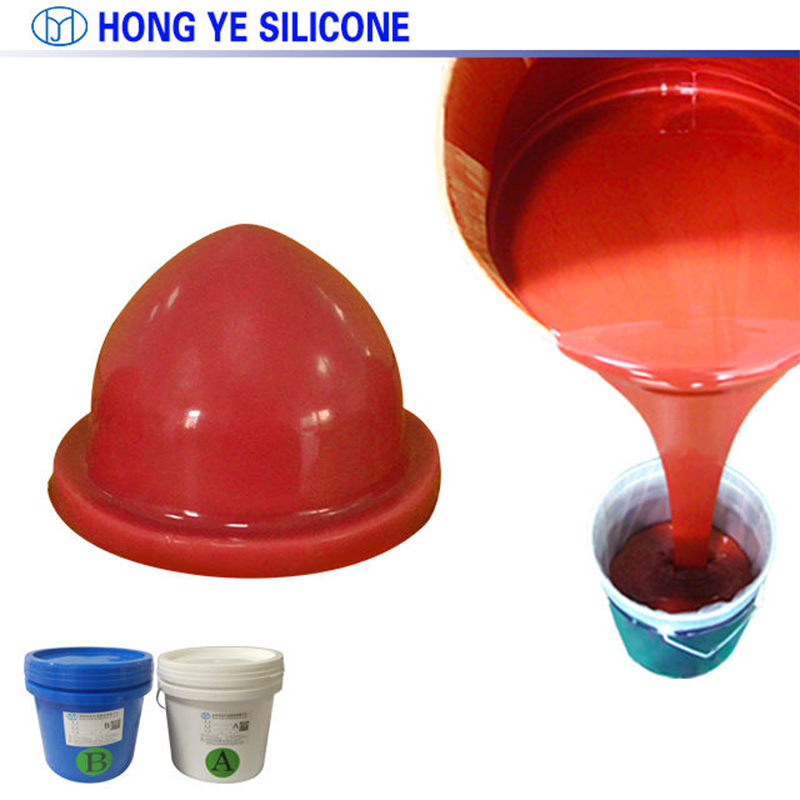
Pad printing is a versatile printing method used to transfer 2D images onto 3D surfaces. The quality of printing largely depends on the pad printing head, which is made from pad printing silicone rubber. One of the most important factors in selecting pad printing silicone is the hardness, measured in Shore A.
Understanding Hardness Levels
Pad printing silicone is available in different hardness levels, typically ranging from 10 Shore A to 40 Shore A. Lower numbers indicate softer material, while higher numbers indicate harder material.
Hongye Silicone offers four standard models with different hardness levels:
• HY-916: 16±2 Shore A (Super Soft)
• HY-901: 23±2 Shore A (Economical General Purpose)
• HY-912: 25±2 Shore A (Multi-color Printing)
• HY-902: 28±2 Shore A (High Wear Resistance)
Selecting Hardness by Product Shape
For products with highly irregular, curved, or delicate surfaces, such as plastic toys, medical devices, and cosmetic packaging, a softer silicone (16-20 Shore A) is recommended. Softer pads can conform better to complex shapes, ensuring complete and even ink transfer.
For products with moderately curved surfaces, such as electronic accessories, gift items, and stationery, a medium hardness (23-25 Shore A) is suitable. This provides a good balance between conformability and durability.
For products with flat or slightly curved surfaces that require high volume printing, such as promotional items and industrial components, a harder silicone (28-30 Shore A) is preferred. Harder pads offer longer service life and better wear resistance.
Other Factors to Consider
In addition to hardness, consider the following factors when selecting pad printing silicone:
Ink type: Different inks may require different silicone formulations
Printing speed: Higher speed printing may require harder pads
Pad size: Larger pads may need different hardness than smaller ones
Production volume: High volume production benefits from harder, more durable pads
Conclusion
Selecting the right hardness of pad printing silicone is essential for achieving optimal printing results. By understanding your product shape, surface characteristics, and production requirements, you can choose the most suitable silicone hardness. Hongye Silicone offers a range of hardness options and can customize formulations to meet your specific needs.
Understanding Hardness Levels
Pad printing silicone is available in different hardness levels, typically ranging from 10 Shore A to 40 Shore A. Lower numbers indicate softer material, while higher numbers indicate harder material.
Hongye Silicone offers four standard models with different hardness levels:
• HY-916: 16±2 Shore A (Super Soft)
• HY-901: 23±2 Shore A (Economical General Purpose)
• HY-912: 25±2 Shore A (Multi-color Printing)
• HY-902: 28±2 Shore A (High Wear Resistance)
Selecting Hardness by Product Shape
For products with highly irregular, curved, or delicate surfaces, such as plastic toys, medical devices, and cosmetic packaging, a softer silicone (16-20 Shore A) is recommended. Softer pads can conform better to complex shapes, ensuring complete and even ink transfer.
For products with moderately curved surfaces, such as electronic accessories, gift items, and stationery, a medium hardness (23-25 Shore A) is suitable. This provides a good balance between conformability and durability.
For products with flat or slightly curved surfaces that require high volume printing, such as promotional items and industrial components, a harder silicone (28-30 Shore A) is preferred. Harder pads offer longer service life and better wear resistance.
Other Factors to Consider
In addition to hardness, consider the following factors when selecting pad printing silicone:
Ink type: Different inks may require different silicone formulations
Printing speed: Higher speed printing may require harder pads
Pad size: Larger pads may need different hardness than smaller ones
Production volume: High volume production benefits from harder, more durable pads
Conclusion
Selecting the right hardness of pad printing silicone is essential for achieving optimal printing results. By understanding your product shape, surface characteristics, and production requirements, you can choose the most suitable silicone hardness. Hongye Silicone offers a range of hardness options and can customize formulations to meet your specific needs.
Hongye Silicone Expands Overseas Technical Support
Candle Mold Silicone Rubber: A Reliable Molding Material for Scented and Decorative Candle Production
Related Article
This article provides a technical analysis of bridal gown push up gel pad manufacturing process, covering material properties, installation procedures, key performance parameters, and quality assurance to support engineering and procurement decisions.
Bridal Gown Push Up Gel Pad Manufacturing Process
Hongye Silicone expands overseas technical support system to offer timely process guidance for global silicone‑using manufacturers.
Hongye Silicone Expands Overseas Technical Support

