Pad Printing Silicone Selection Guide: How to Choose the Right Silicone for Your Printing Pads
author: Lulu
2026-08-05
Pad Printing Silicone Selection Guide: How to Choose the Right Silicone for Your Printing Pads
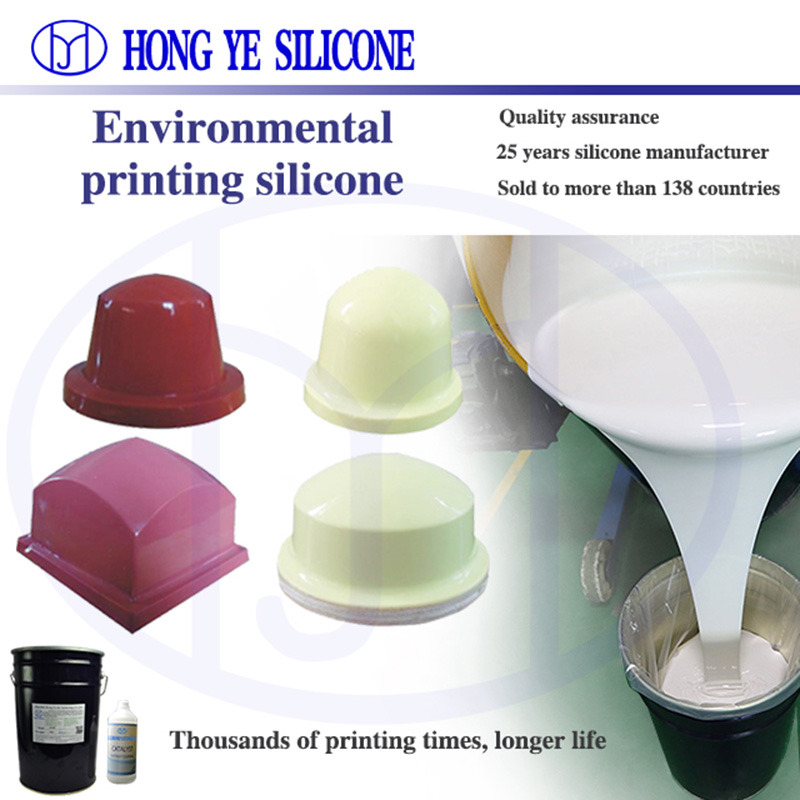
In the pad printing industry, the silicone pad is the single most critical consumable. A high-quality pad delivers sharp, consistent prints over thousands of cycles, while a poor choice leads to blurry images, rapid pad deformation, and costly production downtime. How do you select the right pad printing silicone for your application? HYC-Silicone shares practical insights from 28 years of silicone R&D experience.
1. Choose the Right Type: Condensation vs. Addition
HYC-Silicone's HY-9 series pad printing silicone comes in two categories:
· Condensation-cure (HY-901, HY-902, HY-912, HY-916): Versatile, cost-effective, suitable for most standard pad printing operations.
· Addition-cure (HY-933, HY-928): Anti-static formulation, ideal for precision electronics and static-sensitive applications.
Each model offers different viscosity, hardness, and working time characteristics. We recommend selecting based on your specific printing process and equipment.
2. Hardness Adjustment Matters
Pad printing silicone hardness is typically adjusted by adding silicone oil, generally in the 15–25 Shore A range. Key points to remember:
· More oil = softer pad → better for large-area or curved surface printing
· But too much oil reduces wear resistance and shortens pad life
· Recommended oil addition: no more than 5% of total weight
3. Don't Ignore the Pad-to-Pattern Ratio
A frequently overlooked factor: the pad size should be approximately 3 times the pattern area. Too large or too small a pad will compromise ink transfer and print clarity. This 3:1 ratio ensures optimal ink pickup and image reproduction.
4. Quality Is the Core Factor
A premium pad printing silicone should deliver:
· Fine, impurity-free texture for smooth pad surfaces
· Excellent resilience for consistent print pressure
· Uniform ink absorption for sharp image transfer
· Long wear resistance for extended pad life
· No oil bleeding for clean, contamination-free printing
HYC-Silicone's HY-9 series excels in all these areas, backed by 28 years of continuous R&D and trusted by leading manufacturers including Huawei, BYD, and Foxconn.
About HYC-Silicone
Shenzhen Hongyejie Technology Co., Ltd. is a national high-tech enterprise founded in 1998, specializing in liquid silicone rubber. With 6 product lines and 36 series, the company serves over 20,000 clients and exports to 138 countries. Certified to ISO9001 and RoHS standards.
Free samples and technical consultation available.
Phone: 18938867511
Email: jpp@szrl.net
Website: www.sellsilicon.com
In the pad printing industry, the silicone pad is the single most critical consumable. A high-quality pad delivers sharp, consistent prints over thousands of cycles, while a poor choice leads to blurry images, rapid pad deformation, and costly production downtime. How do you select the right pad printing silicone for your application? HYC-Silicone shares practical insights from 28 years of silicone R&D experience.
1. Choose the Right Type: Condensation vs. Addition
HYC-Silicone's HY-9 series pad printing silicone comes in two categories:
· Condensation-cure (HY-901, HY-902, HY-912, HY-916): Versatile, cost-effective, suitable for most standard pad printing operations.
· Addition-cure (HY-933, HY-928): Anti-static formulation, ideal for precision electronics and static-sensitive applications.
Each model offers different viscosity, hardness, and working time characteristics. We recommend selecting based on your specific printing process and equipment.
2. Hardness Adjustment Matters
Pad printing silicone hardness is typically adjusted by adding silicone oil, generally in the 15–25 Shore A range. Key points to remember:
· More oil = softer pad → better for large-area or curved surface printing
· But too much oil reduces wear resistance and shortens pad life
· Recommended oil addition: no more than 5% of total weight
3. Don't Ignore the Pad-to-Pattern Ratio
A frequently overlooked factor: the pad size should be approximately 3 times the pattern area. Too large or too small a pad will compromise ink transfer and print clarity. This 3:1 ratio ensures optimal ink pickup and image reproduction.
4. Quality Is the Core Factor
A premium pad printing silicone should deliver:
· Fine, impurity-free texture for smooth pad surfaces
· Excellent resilience for consistent print pressure
· Uniform ink absorption for sharp image transfer
· Long wear resistance for extended pad life
· No oil bleeding for clean, contamination-free printing
HYC-Silicone's HY-9 series excels in all these areas, backed by 28 years of continuous R&D and trusted by leading manufacturers including Huawei, BYD, and Foxconn.
About HYC-Silicone
Shenzhen Hongyejie Technology Co., Ltd. is a national high-tech enterprise founded in 1998, specializing in liquid silicone rubber. With 6 product lines and 36 series, the company serves over 20,000 clients and exports to 138 countries. Certified to ISO9001 and RoHS standards.
Free samples and technical consultation available.
Phone: 18938867511
Email: jpp@szrl.net
Website: www.sellsilicon.com
Hong Ye Silicone Releases Advanced Electronic Potting Silicone Gel Series for LED and PCB Protection
Hongye Silicone Expands Automotive-Grade Insulating LSR Production Lines for Global 800V High-Voltage EV Supporting Parts
Related Article

Hongye Silicone updates its global sample delivery workflow to shorten preparation cycle and improve sample‑order service experience for international buyers.
Hongye Silicone Updates Global Sample Delivery Process

Common pad printing head defects including bubbles, blurred patterns, cracking and short life, with causes and solutions from making to usage.Common pad printing head defects including bubbles, blurred patterns, cracking and short life, with causes and solutions from making to usage.
Pad Printing Head Common Defect Troubleshooting Guide
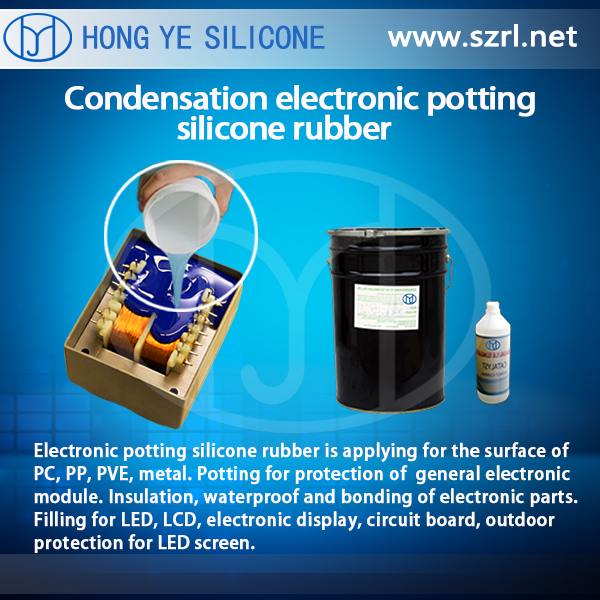
This article examines market trends and demand drivers for optical laser platform vibration isolation gel, including industry growth factors, supplier selection criteria, and global adoption trends.
Optical Laser Platform Vibration Isolation Gel
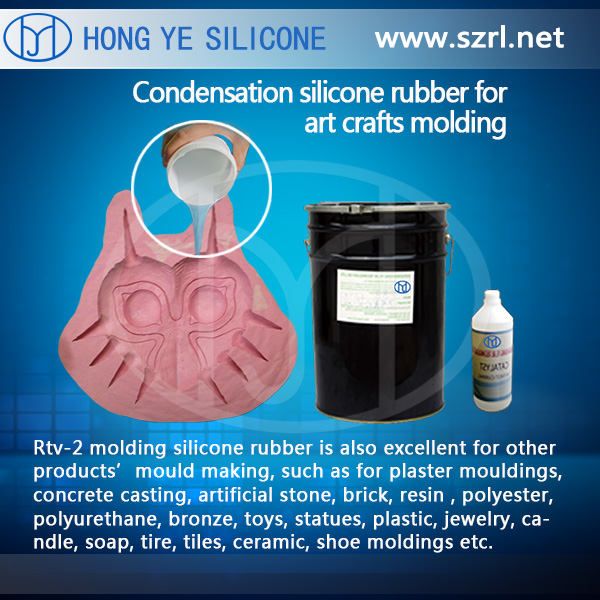
Buddha craft mold silicone is a condensation‑cure RTV‑2 two‑component liquid silicone rubber, specially developed for the reproduction of Buddha statues, religious figurines and detailed sculpture crafts.
Buddha Craft Mold Silicone: High‑Detail RTV‑2 Silicone Rubber for Sculpture Reproduction