Why Precision Electronic Pad Printing Must Use Anti-Static Silicone?
author: Lulu
2026-08-11

In the precision electronics and semiconductor industry, an invisible "killer" can cause product scrapping at any time — and that is static electricity. A small electrostatic discharge can damage a precision chip. Therefore, in the pad printing process of electronic components, anti-static performance is an issue that must be taken seriously.
Today, let's talk about why precision electronic pad printing must use addition-cured anti-static silicone, and what makes HYC-Silicone HY-933 special.
I. How Much Harm Does Static Electricity Cause to Pad Printing?
1. Product Damage
Electrostatic discharge can break down precision chips and PCB circuits, causing irreversible damage. In the electronics manufacturing industry, a single static discharge incident can result in losses of tens of thousands or even hundreds of thousands of yuan.
2. Dust Adsorption
Static electricity attracts dust from the air, affecting printing clarity and product cleanliness. For precision electronic components, even tiny dust particles can cause poor contact or short circuits.
3. Printing Defects
Static electricity can cause the silicone pad to absorb impurities from the surface of the workpiece, resulting in incomplete patterns, missing fonts, or blurred edges during transfer, directly affecting product quality and yield.
II. Why Choose Addition-Cured Anti-Static Silicone?
Traditional condensed-type pad printing silicone cannot solve the static electricity problem fundamentally, because the material itself is prone to generate static electricity during repeated use. The addition-cured anti-static silicone represented by HY-933 addresses this issue from the material formulation level.
1. Built-in Anti-Static Factor, Durable and Long-Lasting
HYC-Silicone HY-933 adds a high-performance anti-static component during the formulation stage. Unlike the surface coating method, this built-in anti-static factor does not衰减 with the number of uses, and can maintain stable anti-static performance for a long time.
2. Platinum Curing System, More Stable Performance
As an addition-cured silicone, HY-933 uses platinum catalyst curing. Compared with tin-catalyzed condensed silicone, it has lower shrinkage rate, better dimensional stability, and the printed pattern is more accurate.
3. Wide Range of Hardness Options to Adapt to Different Scenarios
HY-933 series provides multiple hardness specifications, whether it is printing on fine circuit boards, semiconductor packaging, or large-size electronic housings, you can find a matching hardness model.
III. Application Cases of HY-933 in the Electronics Industry
Case 1: PCB Board Pad Printing
A Shenzhen PCB factory used ordinary pad printing silicone before, and often encountered the problem of blurred printing and dust adsorption due to static electricity. After switching to HY-933 anti-static silicone, the product yield rate increased by 15%, and customer complaints decreased significantly.
Case 2: Semiconductor Packaging Marking
A semiconductor packaging enterprise in Suzhou needs clear and stable product model marking on small-sized packages. With the anti-static performance and high-precision transfer effect of HY-933, it fully meets the requirements of high-standard production.
Case 3: Electronic Housing Pad Printing
A home appliance shell manufacturer needs to pad print a large number of button logos and product parameters. The traditional silicone has a short service life and is prone to static electricity to absorb dust. After using HY-933, the replacement frequency of the silicone pad is reduced by 40%, and the production efficiency is greatly improved.
IV. Why Choose HYC-Silicone?
1. 20+ Years of Industry Experience
HYC-Silicone has been deeply engaged in the silicone material industry for more than 20 years, focusing on the R&D and production of liquid silicone. It has accumulated rich technical experience in the field of pad printing silicone.
2. 60+ Technical Team
We have a technical research and development team of more than 60 engineers, which can provide targeted solutions and technical support according to the specific needs of different industries.
3. Global Export to 138 Countries
Our products are exported to 138 countries around the world and have served more than 20,000 customers, which is a trustworthy choice recognized by the global market.
4. Pearl River Delta 24-Hour On-Site Service
For customers in the Pearl River Delta region, we provide 24-hour on-site technical service, responding quickly to problems encountered in production and ensuring continuous production.
I. How Much Harm Does Static Electricity Cause to Pad Printing?
1. Product Damage
Electrostatic discharge can break down precision chips and PCB circuits, causing irreversible damage. In the electronics manufacturing industry, a single static discharge incident can result in losses of tens of thousands or even hundreds of thousands of yuan.
2. Dust Adsorption
Static electricity attracts dust from the air, affecting printing clarity and product cleanliness. For precision electronic components, even tiny dust particles can cause poor contact or short circuits.
3. Printing Defects
Static electricity can cause the silicone pad to absorb impurities from the surface of the workpiece, resulting in incomplete patterns, missing fonts, or blurred edges during transfer, directly affecting product quality and yield.
II. Why Choose Addition-Cured Anti-Static Silicone?
Traditional condensed-type pad printing silicone cannot solve the static electricity problem fundamentally, because the material itself is prone to generate static electricity during repeated use. The addition-cured anti-static silicone represented by HY-933 addresses this issue from the material formulation level.
1. Built-in Anti-Static Factor, Durable and Long-Lasting
HYC-Silicone HY-933 adds a high-performance anti-static component during the formulation stage. Unlike the surface coating method, this built-in anti-static factor does not衰减 with the number of uses, and can maintain stable anti-static performance for a long time.
2. Platinum Curing System, More Stable Performance
As an addition-cured silicone, HY-933 uses platinum catalyst curing. Compared with tin-catalyzed condensed silicone, it has lower shrinkage rate, better dimensional stability, and the printed pattern is more accurate.
3. Wide Range of Hardness Options to Adapt to Different Scenarios
HY-933 series provides multiple hardness specifications, whether it is printing on fine circuit boards, semiconductor packaging, or large-size electronic housings, you can find a matching hardness model.
III. Application Cases of HY-933 in the Electronics Industry
Case 1: PCB Board Pad Printing
A Shenzhen PCB factory used ordinary pad printing silicone before, and often encountered the problem of blurred printing and dust adsorption due to static electricity. After switching to HY-933 anti-static silicone, the product yield rate increased by 15%, and customer complaints decreased significantly.
Case 2: Semiconductor Packaging Marking
A semiconductor packaging enterprise in Suzhou needs clear and stable product model marking on small-sized packages. With the anti-static performance and high-precision transfer effect of HY-933, it fully meets the requirements of high-standard production.
Case 3: Electronic Housing Pad Printing
A home appliance shell manufacturer needs to pad print a large number of button logos and product parameters. The traditional silicone has a short service life and is prone to static electricity to absorb dust. After using HY-933, the replacement frequency of the silicone pad is reduced by 40%, and the production efficiency is greatly improved.
IV. Why Choose HYC-Silicone?
1. 20+ Years of Industry Experience
HYC-Silicone has been deeply engaged in the silicone material industry for more than 20 years, focusing on the R&D and production of liquid silicone. It has accumulated rich technical experience in the field of pad printing silicone.
2. 60+ Technical Team
We have a technical research and development team of more than 60 engineers, which can provide targeted solutions and technical support according to the specific needs of different industries.
3. Global Export to 138 Countries
Our products are exported to 138 countries around the world and have served more than 20,000 customers, which is a trustworthy choice recognized by the global market.
4. Pearl River Delta 24-Hour On-Site Service
For customers in the Pearl River Delta region, we provide 24-hour on-site technical service, responding quickly to problems encountered in production and ensuring continuous production.
If you are looking for a reliable anti-static pad printing silicone material, welcome to contact HYC-Silicone for free sample testing and technical solutions.
Global Toy & Handicraft Sector Boosts Demand for Cost‑Effective Condensation‑Cure RTV‑2 Mould Silicone
Hongye Silicone Improves Low-Shrinkage High-Tear Mold Silicone for Global Mass Production of Custom Resin Handicrafts
Related Article

Hongye Silicone updates its global sample delivery workflow to shorten preparation cycle and improve sample‑order service experience for international buyers.
Hongye Silicone Updates Global Sample Delivery Process

Common pad printing head defects including bubbles, blurred patterns, cracking and short life, with causes and solutions from making to usage.Common pad printing head defects including bubbles, blurred patterns, cracking and short life, with causes and solutions from making to usage.
Pad Printing Head Common Defect Troubleshooting Guide
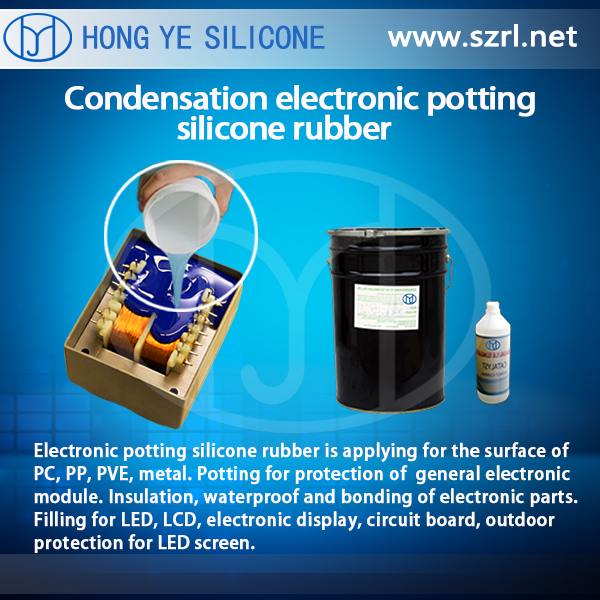
This article examines market trends and demand drivers for optical laser platform vibration isolation gel, including industry growth factors, supplier selection criteria, and global adoption trends.
Optical Laser Platform Vibration Isolation Gel
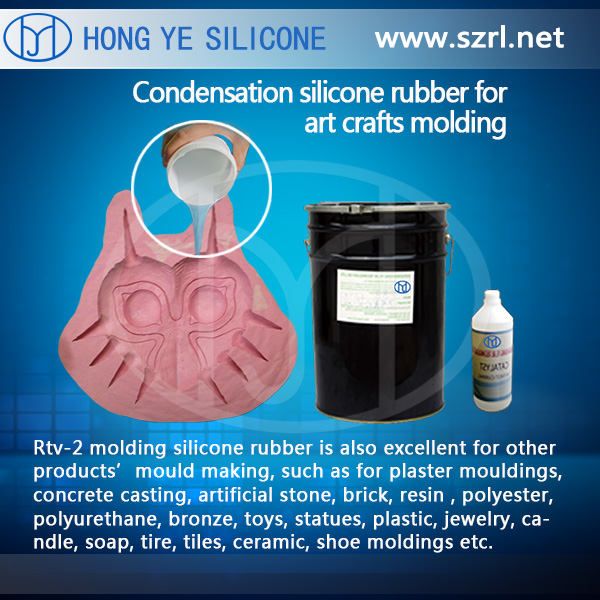
Buddha craft mold silicone is a condensation‑cure RTV‑2 two‑component liquid silicone rubber, specially developed for the reproduction of Buddha statues, religious figurines and detailed sculpture crafts.
Buddha Craft Mold Silicone: High‑Detail RTV‑2 Silicone Rubber for Sculpture Reproduction