
Global Toy & Handicraft Sector Boosts Demand for Cost‑Effective Condensation‑Cure RTV‑2 Mould Silicone
author: Sarah
2026-08-11
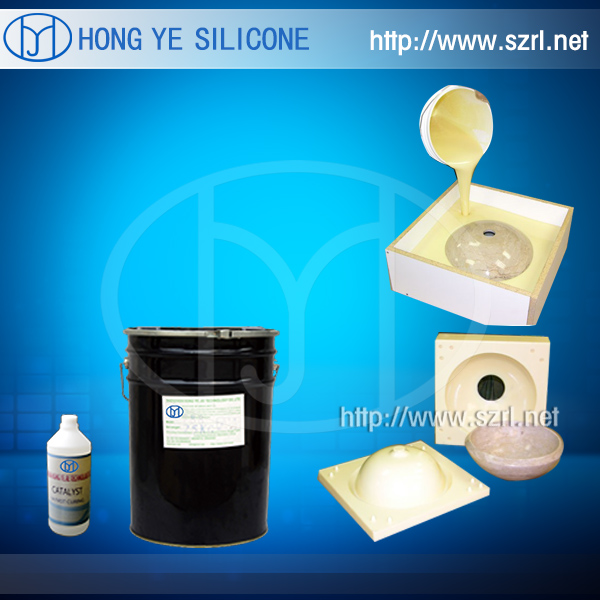
Global market statistics for Q3 2026 show that the toy and handicraft mould‑making segment continues to drive consumption of two‑part condensation‑cure liquid silicone rubber, also widely named tin‑cured RTV‑2 silicone rubber. Unlike high‑priced addition‑cure platinum silicone, condensation‑cure silicone delivers acceptable dimensional reproduction for resin toys, vinyl figurines, gypsum ornaments, candle crafts and polyresin decorative pieces, with obvious raw‑material cost advantages for small‑batch and medium‑scale workshop‑level production lines.
Regional market tracking reveals that Southeast Asia, Latin America and Eastern Europe are reporting sharp growth in purchasing enquiries for pourable condensation‑cure silicone for toy moulds. Many local toy factories and independent handicraft studios prefer tin‑cured silicone because it does not suffer curing inhibition from sulfur‑containing modelling clay, certain master‑model putty and common 3D‑printing resins, which is a major pain point for platinum‑cure silicone users in daily mould‑making operations.
Industry analysts note that 54.9% of global tin‑cured silicone consumption comes from mould‑making and casting applications, and toy‑craft replica moulds represent one of the fastest‑growing sub‑categories within this sector in 2026. Procurement teams are prioritizing grades with moderate shore‑A hardness ranging from 20A to 40A, good fluidity for capturing fine surface textures on toy character faces and handicraft relief patterns, and reliable tear resistance to survive repeated demoulding cycles.
Many overseas buyers are searching Google for long‑tail queries such as “liquid silicone for making resin toy moulds”, “affordable silicone rubber for handicraft figurine casting”, and “RTV‑2 condensation cure silicone for small‑batch toy production”. Manufacturers are advised to clearly list mixing ratio (typically 100:2‑3 base‑to‑catalyst), working time, demould time, shrinkage rate and tear‑strength parameters on product pages to match real‑world B2B search intent. Even with minor alcohol‑release shrinkage inherent to condensation chemical reactions, properly formulated grades keep linear shrinkage below 0.5%, which satisfies most non‑high‑precision toy and decorative handicraft requirements.
Technical Analysis: Why Platinum-Cured Prosthetic silicone Performs Better for Special Effects Makeup
Why Precision Electronic Pad Printing Must Use Anti-Static Silicone?
Related Article

Hongye Silicone updates its global sample delivery workflow to shorten preparation cycle and improve sample‑order service experience for international buyers.
Hongye Silicone Updates Global Sample Delivery Process

Common pad printing head defects including bubbles, blurred patterns, cracking and short life, with causes and solutions from making to usage.Common pad printing head defects including bubbles, blurred patterns, cracking and short life, with causes and solutions from making to usage.
Pad Printing Head Common Defect Troubleshooting Guide
This article examines market trends and demand drivers for optical laser platform vibration isolation gel, including industry growth factors, supplier selection criteria, and global adoption trends.
Optical Laser Platform Vibration Isolation Gel
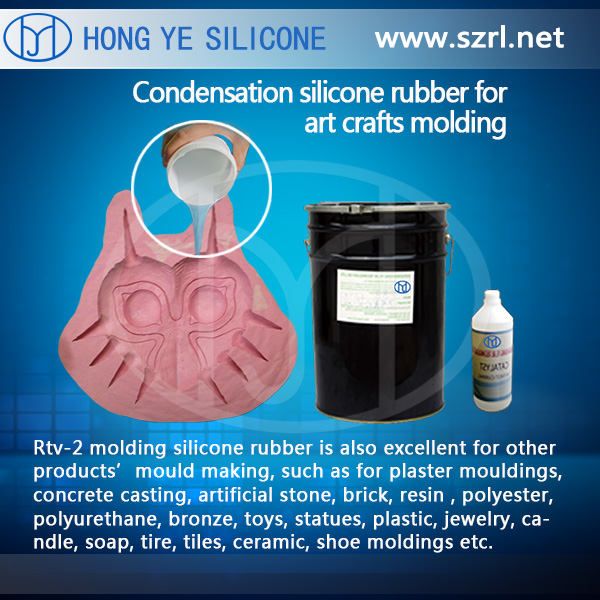
Buddha craft mold silicone is a condensation‑cure RTV‑2 two‑component liquid silicone rubber, specially developed for the reproduction of Buddha statues, religious figurines and detailed sculpture crafts.
Buddha Craft Mold Silicone: High‑Detail RTV‑2 Silicone Rubber for Sculpture Reproduction