
Global Chemical Compliance Regulations Reshape Export Documentation for Condensation‑Cure Soap‑Mold Silicone
author: Sarah
2026-08-12
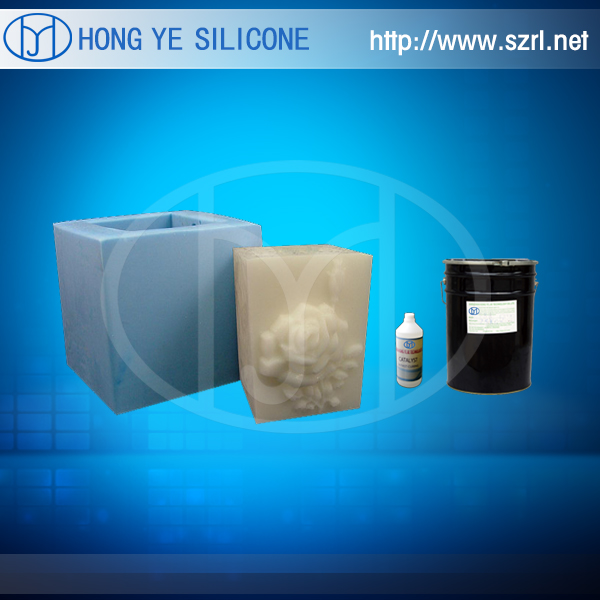
Condensation‑cure RTV‑2 silicone rubber relies on organotin‑based catalysts to complete room‑temperature vulcanization reactions. In 2026, REACH and related chemical‑control requirements tighten restrictions on certain organotin compounds, bringing direct influence on export trade of industrial‑grade soap‑mold silicone rubber. It is necessary to clarify that condensation‑cure soap‑mold silicone is industrial mold‑tool material for producing soap molds, not raw material composing finished soap products. Even so, overseas importers require complete SDS safety‑data sheets, chemical‑composition declarations and restricted‑substance statements during customs clearance.
Many silicone formulators are developing low‑toxicity alternative‑catalyst condensation‑cure silicone variants targeting export‑oriented soap‑mold customers, balancing curing performance, pot‑life control and international regulatory demands. For B2B buyers searching Google with compliance‑related long‑tail keywords, clear compliance notes on supplier official websites become critical reference information. Suppliers need to explicitly distinguish industrial‑grade mold‑making silicone from food‑contact‑grade silicone, to avoid user misunderstanding and application mis‑usage.
Several Southeast‑Asian soap‑mold‑making factories report that old‑specification condensation‑cure silicone batches cannot pass import customs inspection due to updated chemical‑check standards. Industry advisors remind soap‑craft mold purchasers to verify catalyst‑system specifications and full‑set document availability before placing large‑volume overseas orders. This regulatory shift pushes the whole silicone supply chain toward better‑documented, regulation‑ready condensation‑cure silicone grades for global soap‑craft‑mold markets.
Practical Guide to Using Special effects silicone for Professional Prosthetic Limbs
Hongye Silicone Provides Complete Technical Support for Overseas Clients to Stabilize Mold Quality in Tropical High Temperature & Humidity Regions
Related Article

Hongye Silicone updates its global sample delivery workflow to shorten preparation cycle and improve sample‑order service experience for international buyers.
Hongye Silicone Updates Global Sample Delivery Process

Common pad printing head defects including bubbles, blurred patterns, cracking and short life, with causes and solutions from making to usage.Common pad printing head defects including bubbles, blurred patterns, cracking and short life, with causes and solutions from making to usage.
Pad Printing Head Common Defect Troubleshooting Guide
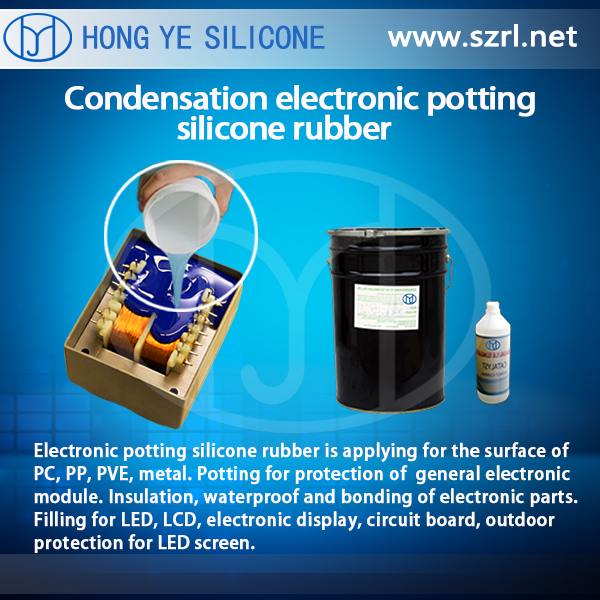
This article examines market trends and demand drivers for optical laser platform vibration isolation gel, including industry growth factors, supplier selection criteria, and global adoption trends.
Optical Laser Platform Vibration Isolation Gel
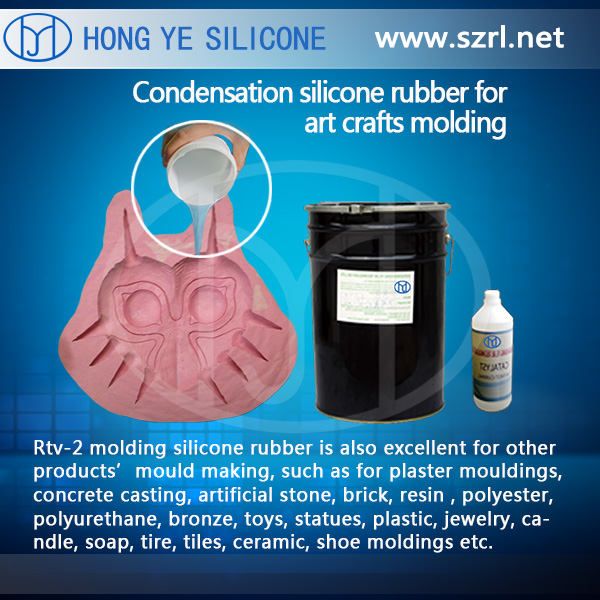
Buddha craft mold silicone is a condensation‑cure RTV‑2 two‑component liquid silicone rubber, specially developed for the reproduction of Buddha statues, religious figurines and detailed sculpture crafts.
Buddha Craft Mold Silicone: High‑Detail RTV‑2 Silicone Rubber for Sculpture Reproduction