Addition-Cure vs. Condensation-Cure Silicone: A Technical Comparison for Electronics Engineers
author: Kimi
2026-08-16
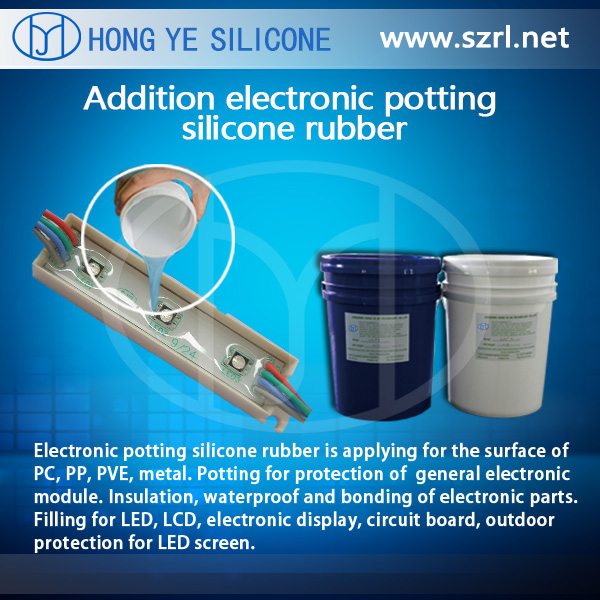
Addition-cure silicones cure through a hydrosilylation reaction between vinyl-functional polysiloxanes and silicon hydride crosslinkers, catalyzed by platinum complexes. This reaction produces no byproducts, cures uniformly throughout the pot volume regardless of thickness, and achieves shrinkage below 0.1%. These characteristics make addition-cure silicones the preferred choice for high-reliability electronics encapsulation.
Condensation-cure silicones react with atmospheric moisture, releasing small molecules (typically alcohols or ketoximes) as byproducts. This moisture-dependent cure mechanism creates inherent limitations: cure depth is restricted as moisture must diffuse inward, cure rate varies with humidity, and released byproducts can corrode sensitive metals or fog optical surfaces.
For electronics potting, addition-cure offers decisive advantages. The absence of corrosive byproducts protects gold, silver, and copper surfaces. Complete through-cure enables encapsulation of assemblies of any thickness. Consistent cure regardless of ambient humidity simplifies manufacturing process control. Low shrinkage prevents stress on delicate components.
The cost premium for addition-cure silicones has decreased significantly as production volumes have grown. For high-reliability applications where field failure costs dwarf material costs, addition-cure represents the economically rational choice. Hong Ye Silicone's entire HY-9 series utilizes addition-cure chemistry, reflecting the industry's clear preference.

Key Takeaways: • Addition-cure produces no corrosive byproducts, protecting sensitive electronics • No cure depth limitation enables encapsulation of any assembly thickness • Low shrinkage (<0.1%) prevents mechanical stress on components • Cost gap between addition-cure and condensation-cure has narrowed significantly.
Source: Hong Ye Silicone Technical Department | Contact: info@szrl.net | +86-755-89948006 | www.szrl.net
Why HEPA Filter Manufacturers Are Switching to Blue Jelly Tank Sealant Gel | Market Trend
HONG YE SILICONE Dimensional-stable Foaming Silicone Improves Assembly Consistency for Precision Automation Devices
Related Article

Liquid silicone foam is a two-part addition curing RTV2 silicone rubber, foamed chemically by mixable A and B liquid components. It features 2–7 times high foaming ratio, uniform pores, low shrinkage and stable flexibility from -65℃ to 200℃. Eco-friendly and easy to operate, it suits industrial sealing and soft product manufacturing. We also provide mold making silicone, pad printing silicone, electronic potting compound, human body silicone and robot silicone.
High-Stability Addition Curing Liquid Silicone Foam

Finding reliable platinum silicone for candle molds requires checking factory scale, certifications like FDA and REACH, and shrinkage rates. Trading companies lack consistency, while small workshops struggle with batch stability. HONG YE SILICONE offers 20 production lines, 220 tons monthly capacity, and flexible MOQs. Addition curing silicone ensures near-zero shrinkage and food-grade safety, making it a trusted choice.
Quality platinum silicone for candle molds - which to trust?

Shenzhen Hong Ye Jie Technology Co., Ltd launches HYJ‑RS‑031 wide‑temperature‑resistant friction‑resistant robot skin silicone. This platinum‑addition RTV‑2 silicone works stably from ‑60℃ to 200℃, has good friction resistance, supports multi‑layer composite molding, with adjustable hardness from 0‑30A. It is ideal for humanoid robot dexterous hands, facial skin, medical simulation models and special‑effect props. It supports
Temperature‑Stable Bionic Silicone for Humanoid Robot Gripper & Simulation Industry
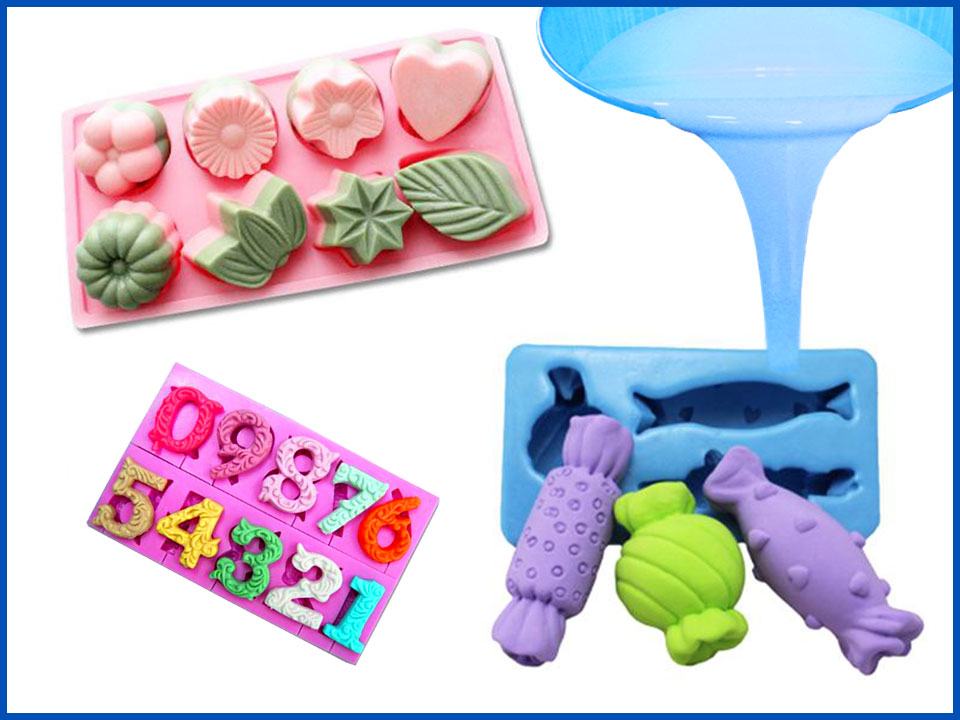
Choosing a mold making silicone factory comes down to five checks: platinum cure chemistry with near-zero shrinkage, hardness from soft food-grade to firm GRC grades, documented certifications, stable capacity, and flexible low-MOQ sampling. Compare traders, workshops and integrated plants on price, consistency and exports. HONG YE SILICONE is one reference: about 220 tons monthly capacity, HY-E series 10-50 Shore A, exports to 138 countries, 2kg MOQ. Always sample on your master models first.
Trusted mold making silicone factory how to choose in 2026