Home /News /Industry News /Tin-Cure vs. Platinum-Cure Pad Printing Silicone: How to Choose the Right Material /
Tin-Cure vs. Platinum-Cure Pad Printing Silicone: How to Choose the Right Material
author: Lulu
2026-08-18
Pad printing is one of the most widely used decoration methods for applying logos, graphics and text onto irregular, curved or flat surfaces — from toys and electronics to ceramics and promotional items. At the heart of every pad printing process is the silicone pad, and the quality of that pad depends almost entirely on the pad printing silicone rubber used to make it.
For manufacturers choosing a pad printing silicone, the first and most important decision is between two curing systems: tin-cure (condensation) and platinum-cure (addition).
Tin-Cure (Condensation) Silicone
Tin-cure silicones, such as our HY-912#, cure through a condensation reaction that releases small alcohol byproducts. The base and catalyst are typically mixed at a ratio of 100 : 2~3 by weight. This is the traditional and most economical choice for pad making.
Key advantages:
Tolerant of a wide range of operating environments;
Not susceptible to catalyst poisoning from sulfur, nitrogen or phosphorus;
Lower material cost, ideal for high-volume consumable pad production;
Easy to adjust hardness by varying the silicone oil ratio;
Mature, stable formulation with high process tolerance.
Limitations:
Slight byproduct release during curing, relatively higher shrinkage (~0.3%);
Curing cannot be significantly accelerated by heating;
Slightly lower strength and heat resistance compared to platinum-cure.
Ideal for: Standard toy printing, electronics, advertising gifts, and cost-sensitive high-volume production.
Platinum-Cure (Addition) Silicone
Platinum-cure silicones, such as our HY-933#, cure through an addition reaction with no byproducts. The typical mix ratio is 9:1 or 1:1. They offer premium performance for demanding applications.
Key advantages:
Extremely low shrinkage (<0.1%), exceptional dimensional accuracy and fine detail reproduction;
High tear strength and abrasion resistance, longer pad service life;
Heat-accelerated curing — fully cured in 30–60 minutes at 60–80°C, boosting production efficiency;
Eco-friendly and non-toxic, suitable for food-contact applications;
Better heat resistance (up to 150–280°C).
Limitations:
Higher material cost;
Sensitive to contaminants (sulfur, nitrogen, phosphorus, tin) that can inhibit curing — molds and tools must be kept clean.
Ideal for: High-precision electronic components, ceramic tableware, food-contact products, fine logo printing, and applications requiring maximum pad durability and pattern accuracy.
Selection Guide:
Standard flat printing, budget-conscious → Tin-cure (HY-912)
Curved or irregular surface printing → Tin-cure soft grade (HY-916, 10–15A)
High precision, fine patterns, food-contact → Platinum-cure (HY-933)
Fast demolding, short production cycle → Platinum-cure (HY-928 / 933)
Both tin-cure and platinum-cure pad printing silicones have their place. Tin-cure is the reliable, cost-effective workhorse for everyday pad printing, while platinum-cure delivers premium precision, durability and eco-friendly performance for high-end applications. Understanding your product requirements, print quality standards and production volume will help you make the right choice.
At Shenzhen Hongyejie Technology, we manufacture both types and can customize hardness, viscosity, color and pot life to match your exact printing application. Contact our technical team for a free sample and professional recommendation.
For manufacturers choosing a pad printing silicone, the first and most important decision is between two curing systems: tin-cure (condensation) and platinum-cure (addition).
Tin-Cure (Condensation) Silicone
Tin-cure silicones, such as our HY-912#, cure through a condensation reaction that releases small alcohol byproducts. The base and catalyst are typically mixed at a ratio of 100 : 2~3 by weight. This is the traditional and most economical choice for pad making.
Key advantages:
Tolerant of a wide range of operating environments;
Not susceptible to catalyst poisoning from sulfur, nitrogen or phosphorus;
Lower material cost, ideal for high-volume consumable pad production;
Easy to adjust hardness by varying the silicone oil ratio;
Mature, stable formulation with high process tolerance.
Limitations:
Slight byproduct release during curing, relatively higher shrinkage (~0.3%);
Curing cannot be significantly accelerated by heating;
Slightly lower strength and heat resistance compared to platinum-cure.
Ideal for: Standard toy printing, electronics, advertising gifts, and cost-sensitive high-volume production.
Platinum-Cure (Addition) Silicone
Platinum-cure silicones, such as our HY-933#, cure through an addition reaction with no byproducts. The typical mix ratio is 9:1 or 1:1. They offer premium performance for demanding applications.
Key advantages:
Extremely low shrinkage (<0.1%), exceptional dimensional accuracy and fine detail reproduction;
High tear strength and abrasion resistance, longer pad service life;
Heat-accelerated curing — fully cured in 30–60 minutes at 60–80°C, boosting production efficiency;
Eco-friendly and non-toxic, suitable for food-contact applications;
Better heat resistance (up to 150–280°C).
Limitations:
Higher material cost;
Sensitive to contaminants (sulfur, nitrogen, phosphorus, tin) that can inhibit curing — molds and tools must be kept clean.
Ideal for: High-precision electronic components, ceramic tableware, food-contact products, fine logo printing, and applications requiring maximum pad durability and pattern accuracy.
Selection Guide:
Standard flat printing, budget-conscious → Tin-cure (HY-912)
Curved or irregular surface printing → Tin-cure soft grade (HY-916, 10–15A)
High precision, fine patterns, food-contact → Platinum-cure (HY-933)
Fast demolding, short production cycle → Platinum-cure (HY-928 / 933)
Both tin-cure and platinum-cure pad printing silicones have their place. Tin-cure is the reliable, cost-effective workhorse for everyday pad printing, while platinum-cure delivers premium precision, durability and eco-friendly performance for high-end applications. Understanding your product requirements, print quality standards and production volume will help you make the right choice.
At Shenzhen Hongyejie Technology, we manufacture both types and can customize hardness, viscosity, color and pot life to match your exact printing application. Contact our technical team for a free sample and professional recommendation.
Condensation‑Cure Silicone VS Addition‑Cure Silicone for GRC Molds: Cost‑Performance Comparison for Architectural Decoration Industry
Hospital Operating Room HEPA Gel Seal Replacement Best Practices - Market Trend
Related Article
Hongye Silicone updates its global sample delivery workflow to shorten preparation cycle and improve sample‑order service experience for international buyers.
Hongye Silicone Updates Global Sample Delivery Process
Common pad printing head defects including bubbles, blurred patterns, cracking and short life, with causes and solutions from making to usage.Common pad printing head defects including bubbles, blurred patterns, cracking and short life, with causes and solutions from making to usage.
Pad Printing Head Common Defect Troubleshooting Guide
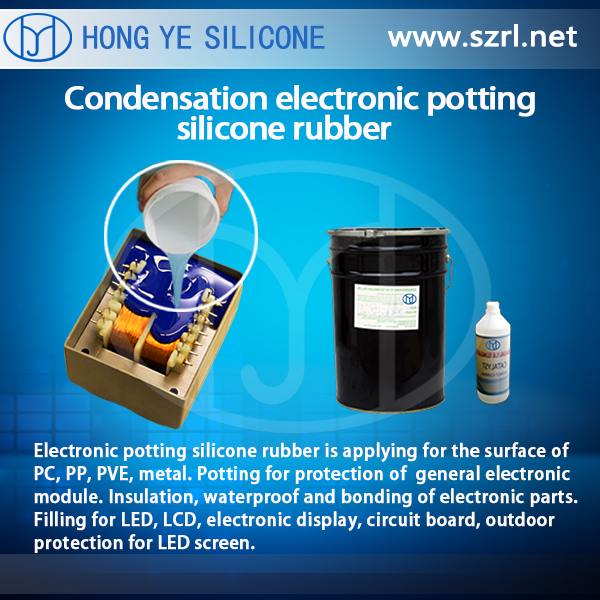
This article examines market trends and demand drivers for optical laser platform vibration isolation gel, including industry growth factors, supplier selection criteria, and global adoption trends.
Optical Laser Platform Vibration Isolation Gel
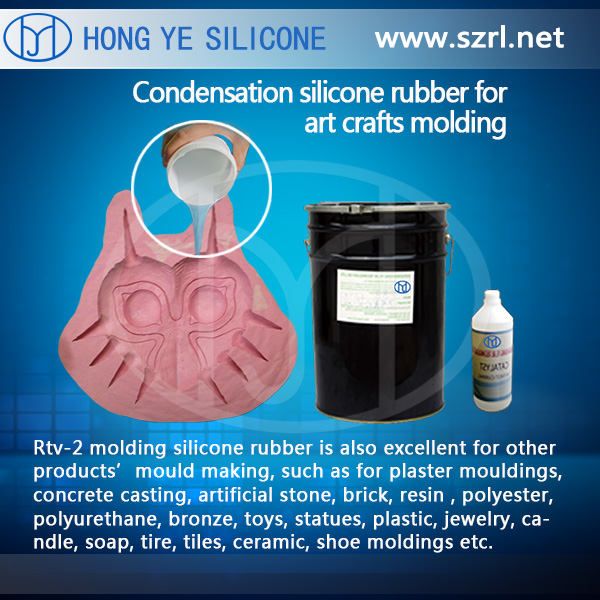
Buddha craft mold silicone is a condensation‑cure RTV‑2 two‑component liquid silicone rubber, specially developed for the reproduction of Buddha statues, religious figurines and detailed sculpture crafts.
Buddha Craft Mold Silicone: High‑Detail RTV‑2 Silicone Rubber for Sculpture Reproduction