
Condensation‑Cure Silicone VS Addition‑Cure Silicone for GRC Molds: Cost‑Performance Comparison for Architectural Decoration Industry
author: Sarah
2026-08-18

Both condensation‑cure (tin‑catalyzed) and addition‑cure (platinum‑catalyzed) RTV‑2 silicone can produce molds for GRC, GRG, concrete and plaster decorative productsMade-in-China. Addition‑cure silicone features ultra‑low shrinkage below 0.1%, no volatile by‑products, long mold lifespan, but its raw‑material price is 2‑3 times higher than condensation‑cure silicone, which restricts large‑scale application in low‑margin mass‑produced GRC European‑style components.

Condensation‑cure silicone has acceptable shrinkage for most villa‑grade European‑style decorative elements. Its outstanding advantage lies in competitive bulk price, flexible viscosity options (pouring grade / brush‑coating thixotropic grade), simple room‑temperature curing without heating equipment, fitting production conditions of most GRC factories worldwide. Its weaknesses include inevitable slight shrinkage and sensitivity to ambient humidity and curing‑agent proportion.
In actual market segmentation: heritage conservation projects, high‑end customized luxury building ornaments select addition‑cure platinum silicone; mass‑produced Roman columns, exterior wall cornices, mass‑market relief decorative panels widely adopt qualified condensation‑cure mold silicone. Many large GRC enterprises adopt mixed‑material strategy: use condensation silicone for mass‑volume standard components, and deploy addition silicone for special high‑precision small‑batch orders. Material selection should balance project budget, dimensional tolerance requirement and expected mold service cycles.
Hongye Silicone Provides Customized Electronic Potting Silicone Service to Adapt to Diverse Production Conditions of Global Electronics Factories
Tin-Cure vs. Platinum-Cure Pad Printing Silicone: How to Choose the Right Material
Related Article

Hongye Silicone updates its global sample delivery workflow to shorten preparation cycle and improve sample‑order service experience for international buyers.
Hongye Silicone Updates Global Sample Delivery Process

Common pad printing head defects including bubbles, blurred patterns, cracking and short life, with causes and solutions from making to usage.Common pad printing head defects including bubbles, blurred patterns, cracking and short life, with causes and solutions from making to usage.
Pad Printing Head Common Defect Troubleshooting Guide
This article examines market trends and demand drivers for optical laser platform vibration isolation gel, including industry growth factors, supplier selection criteria, and global adoption trends.
Optical Laser Platform Vibration Isolation Gel
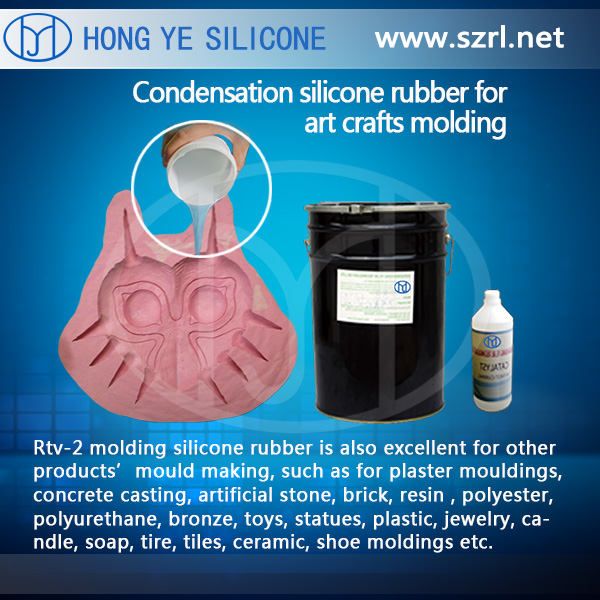
Buddha craft mold silicone is a condensation‑cure RTV‑2 two‑component liquid silicone rubber, specially developed for the reproduction of Buddha statues, religious figurines and detailed sculpture crafts.
Buddha Craft Mold Silicone: High‑Detail RTV‑2 Silicone Rubber for Sculpture Reproduction