
Common Pad Printing Defects and Solutions: A Practical Troubleshooting Guide
author: Lulu
2026-08-21

In daily pad printing production, printing defects are a major factor affecting product yield and efficiency. Blurred patterns, ink breakage, ghosting, bubbles, and uneven ink transfer occur frequently, and many operators struggle to identify the root cause, leading to long downtime and material waste. This guide provides practical troubleshooting methods.
Blurred or Unclear Patterns
Main causes: pad hardness too high or too low; pad surface worn or aged; ink viscosity improper; plate etching depth incorrect; excessive press pressure. Troubleshoot by checking pad condition first — replace if worn; then adjust ink viscosity and press pressure; finally inspect plate etching. Using a moderately hard general-purpose silicone (like Hongye 901) effectively reduces blur.
Ink Breakage and Missing Print
Main causes: pad surface contaminated with oil or dust; ink dries too fast; pad contact time too short; plate has dried ink clogging. Solutions: clean pad regularly; adjust ink drying speed, add slow-drying agent; extend pad dwell time; clean plate before each run.
Ghosting and Misregistration
Main causes: pad resilience insufficient; press positioning loose or fixture unstable; pad not securely mounted; workpiece positioning deviation. Solutions: replace with good-resilience pad; check and tighten positioning devices and fixtures; ensure pad secure; use precision fixtures for multi-color printing.
Bubbles and Pinholes
Main causes: insufficient degassing; mold dust; bubbles in ink; micro pores on pad. Solutions: vacuum degas after mixing; clean molds; stir ink and rest; gently polish pad with fine sandpaper.
Poor Ink Adhesion
Main causes: product surface contaminated; ink mismatched with material; curing agent missing or wrong ratio; insufficient drying. Solutions: clean surface with alcohol; select correct ink; add curing agent at correct ratio; ensure adequate drying, oven cure if needed.
Prevention is Better Than Troubleshooting
Hongye Silicone recommends: replace pads regularly when worn; keep pads, plates, and fixtures clean; mix ink as needed; calibrate press periodically; choose stable-quality silicone to reduce defects at source.
Hongye Silicone offers a full range including economical 901, general-purpose 912, extra-soft 916, addition-cure 928, with professional technical support.
Blurred or Unclear Patterns
Main causes: pad hardness too high or too low; pad surface worn or aged; ink viscosity improper; plate etching depth incorrect; excessive press pressure. Troubleshoot by checking pad condition first — replace if worn; then adjust ink viscosity and press pressure; finally inspect plate etching. Using a moderately hard general-purpose silicone (like Hongye 901) effectively reduces blur.
Ink Breakage and Missing Print
Main causes: pad surface contaminated with oil or dust; ink dries too fast; pad contact time too short; plate has dried ink clogging. Solutions: clean pad regularly; adjust ink drying speed, add slow-drying agent; extend pad dwell time; clean plate before each run.
Ghosting and Misregistration
Main causes: pad resilience insufficient; press positioning loose or fixture unstable; pad not securely mounted; workpiece positioning deviation. Solutions: replace with good-resilience pad; check and tighten positioning devices and fixtures; ensure pad secure; use precision fixtures for multi-color printing.
Bubbles and Pinholes
Main causes: insufficient degassing; mold dust; bubbles in ink; micro pores on pad. Solutions: vacuum degas after mixing; clean molds; stir ink and rest; gently polish pad with fine sandpaper.
Poor Ink Adhesion
Main causes: product surface contaminated; ink mismatched with material; curing agent missing or wrong ratio; insufficient drying. Solutions: clean surface with alcohol; select correct ink; add curing agent at correct ratio; ensure adequate drying, oven cure if needed.
Prevention is Better Than Troubleshooting
Hongye Silicone recommends: replace pads regularly when worn; keep pads, plates, and fixtures clean; mix ink as needed; calibrate press periodically; choose stable-quality silicone to reduce defects at source.
Hongye Silicone offers a full range including economical 901, general-purpose 912, extra-soft 916, addition-cure 928, with professional technical support.
Low‑Viscosity Silicone for Mini PCB Encapsulation
Formula Iteration Improves Detail Reproduction & Anti‑Deformation Performance for Hand‑Model Condensation Silicone
Related Article

Hongye Silicone updates its global sample delivery workflow to shorten preparation cycle and improve sample‑order service experience for international buyers.
Hongye Silicone Updates Global Sample Delivery Process

Common pad printing head defects including bubbles, blurred patterns, cracking and short life, with causes and solutions from making to usage.Common pad printing head defects including bubbles, blurred patterns, cracking and short life, with causes and solutions from making to usage.
Pad Printing Head Common Defect Troubleshooting Guide
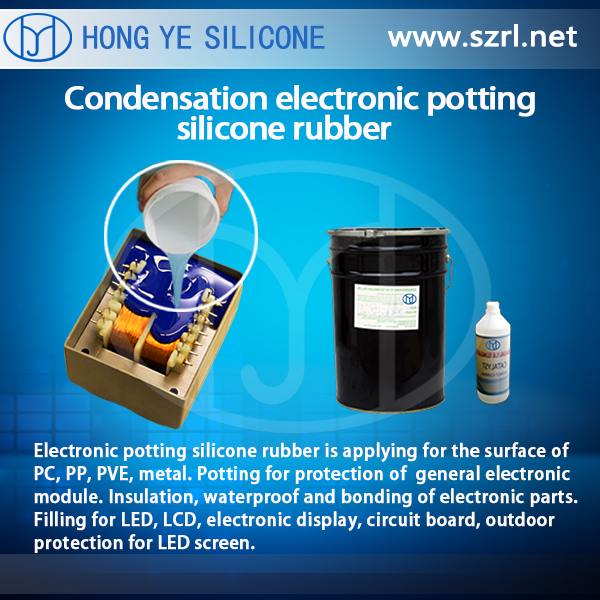
This article examines market trends and demand drivers for optical laser platform vibration isolation gel, including industry growth factors, supplier selection criteria, and global adoption trends.
Optical Laser Platform Vibration Isolation Gel
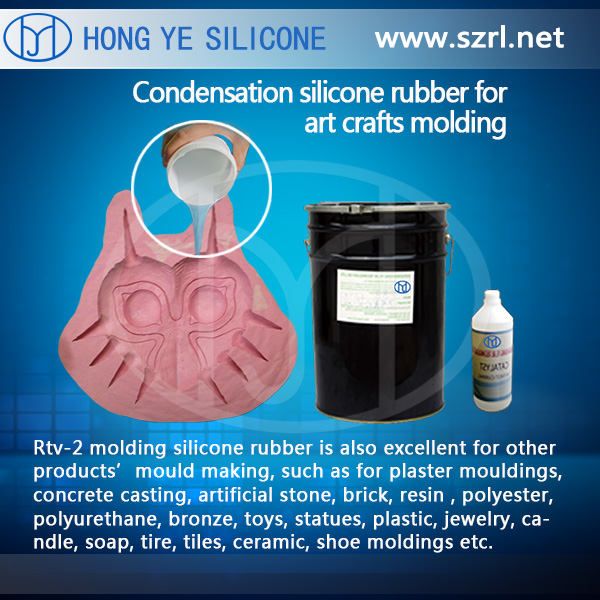
Buddha craft mold silicone is a condensation‑cure RTV‑2 two‑component liquid silicone rubber, specially developed for the reproduction of Buddha statues, religious figurines and detailed sculpture crafts.
Buddha Craft Mold Silicone: High‑Detail RTV‑2 Silicone Rubber for Sculpture Reproduction