
How to Choose Pad Printing Silicone Hardness: Complete Guide for Different Applications
author: Lulu
2026-08-25
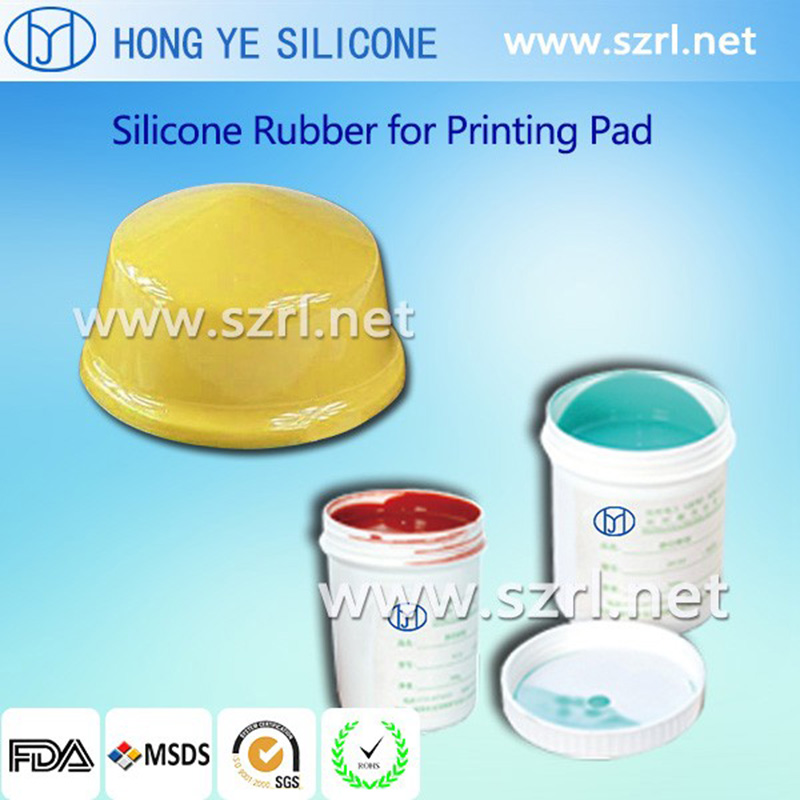
Pad printing silicone hardness is a key factor affecting print quality. Different hardness levels result in different pad deformation, ink transfer, edge clarity, service life, and applications. Many companies only consider price, neglecting the match between hardness and printing requirements, leading to poor results, short pad life, and high defect rates.
Hardness Scales
Measured in Shore A, higher values mean harder. Hongye Silicone covers the complete range: extra-soft (15-18A) like 916, general-purpose (20-25A) like 901 and 912, medium-hard (26-30A) like 902 and 918, high-hard (above 30A). Selection depends on product surface shape, pattern fineness, printing pressure, and product material.
Extra-Soft Pads
Strong deformation capability, conforms to curved and irregular surfaces, uniform ink transfer. But lacks rigidity, blurry fine text, shorter life. Suitable for curved, irregular, uneven, soft plastic, large-area products. Examples: spherical toys, curved housings, soft rubber products, irregular gifts. Representative: Hongye 916.
General-Purpose Pads
Balances deformation and rigidity, wide applicability, moderate wear and life, high cost-effectiveness. Suitable for flat, small-curvature, regular patterns, medium-fineness text. Examples: plastic toys, stationery, small hardware, electronic parts, promotional gifts. Representatives: Hongye 901 and 912.
Medium-Hard Pads
Good rigidity, minimal deformation, stable contact, precise ink transfer, sharp edges, clear details, ideal for fine text, thin lines, barcodes, QR codes. Better wear and longer life, suitable for continuous production. Limited deformation, not for curved products. Suitable for flat hard products, fine text, detailed patterns, high-precision marking. Examples: electronic components, instruments, precision hardware, medical devices, mobile phone accessories, eyeglass frames, watch parts. Representatives: Hongye 902 and 918 (918 optimized for precision printing with superior edge sharpness).
High-Hard Pads
Very rigid, minimal deformation even under high pressure, best wear and longest life. Poor conformability, only for completely flat products with high surface flatness. Suitable for flat hard products, large-area patterns, high-pressure printing. Examples: metal nameplates, hard plastic boards, flat glass and ceramics.
How to Select Hardness
Surface shape: curved/irregular/uneven choose extra-soft (15-18A); flat/small-curvature choose general (20-25A) or medium-hard (26-30A); completely flat choose high-hard (above 30A).
Pattern fineness: fine text/thin lines/barcodes/QR codes choose medium-hard (26-30A) like Hongye 918; regular patterns choose general; large-area choose extra-soft or general.
Product material: soft products (soft rubber, silicone, TPR) choose slightly harder pads; hard products (metal, hard plastic, glass) choose based on pattern fineness.
Printing pressure: high pressure choose harder pads to avoid excessive deformation; low pressure can choose softer pads.
Volume and life: high volume continuous production with high life requirements choose medium-hard or high-hard; small batch multi-variety choose general.
Common Mistakes
Softer is always better: Not true, extra-soft pads produce blurry fine text and have short life.
Harder is always better: Not true, high-hard pads cause incomplete contact and missing patterns on curved products.
One hardness for everything: Different products need different hardness, keep 2-3 levels in stock.
Adjusting hardness with silicone oil: Reduces wear resistance, ink pick-up, and stability; choose the right model directly.
Hongye Silicone Full Hardness Range
Hongye Silicone offers a complete pad printing silicone series: 916 extra-soft (curved/irregular first choice), 901 economical (entry-level routine), 912 general wear-resistant (routine high-volume first choice), 902 wear-resistant (high wear long life), 918 precision printing (fine text sharp edges), 928 addition-cure (high-end precision food-grade). The company provides professional selection guidance and technical support.
Hardness Scales
Measured in Shore A, higher values mean harder. Hongye Silicone covers the complete range: extra-soft (15-18A) like 916, general-purpose (20-25A) like 901 and 912, medium-hard (26-30A) like 902 and 918, high-hard (above 30A). Selection depends on product surface shape, pattern fineness, printing pressure, and product material.
Extra-Soft Pads
Strong deformation capability, conforms to curved and irregular surfaces, uniform ink transfer. But lacks rigidity, blurry fine text, shorter life. Suitable for curved, irregular, uneven, soft plastic, large-area products. Examples: spherical toys, curved housings, soft rubber products, irregular gifts. Representative: Hongye 916.
General-Purpose Pads
Balances deformation and rigidity, wide applicability, moderate wear and life, high cost-effectiveness. Suitable for flat, small-curvature, regular patterns, medium-fineness text. Examples: plastic toys, stationery, small hardware, electronic parts, promotional gifts. Representatives: Hongye 901 and 912.
Medium-Hard Pads
Good rigidity, minimal deformation, stable contact, precise ink transfer, sharp edges, clear details, ideal for fine text, thin lines, barcodes, QR codes. Better wear and longer life, suitable for continuous production. Limited deformation, not for curved products. Suitable for flat hard products, fine text, detailed patterns, high-precision marking. Examples: electronic components, instruments, precision hardware, medical devices, mobile phone accessories, eyeglass frames, watch parts. Representatives: Hongye 902 and 918 (918 optimized for precision printing with superior edge sharpness).
High-Hard Pads
Very rigid, minimal deformation even under high pressure, best wear and longest life. Poor conformability, only for completely flat products with high surface flatness. Suitable for flat hard products, large-area patterns, high-pressure printing. Examples: metal nameplates, hard plastic boards, flat glass and ceramics.
How to Select Hardness
Surface shape: curved/irregular/uneven choose extra-soft (15-18A); flat/small-curvature choose general (20-25A) or medium-hard (26-30A); completely flat choose high-hard (above 30A).
Pattern fineness: fine text/thin lines/barcodes/QR codes choose medium-hard (26-30A) like Hongye 918; regular patterns choose general; large-area choose extra-soft or general.
Product material: soft products (soft rubber, silicone, TPR) choose slightly harder pads; hard products (metal, hard plastic, glass) choose based on pattern fineness.
Printing pressure: high pressure choose harder pads to avoid excessive deformation; low pressure can choose softer pads.
Volume and life: high volume continuous production with high life requirements choose medium-hard or high-hard; small batch multi-variety choose general.
Common Mistakes
Softer is always better: Not true, extra-soft pads produce blurry fine text and have short life.
Harder is always better: Not true, high-hard pads cause incomplete contact and missing patterns on curved products.
One hardness for everything: Different products need different hardness, keep 2-3 levels in stock.
Adjusting hardness with silicone oil: Reduces wear resistance, ink pick-up, and stability; choose the right model directly.
Hongye Silicone Full Hardness Range
Hongye Silicone offers a complete pad printing silicone series: 916 extra-soft (curved/irregular first choice), 901 economical (entry-level routine), 912 general wear-resistant (routine high-volume first choice), 902 wear-resistant (high wear long life), 918 precision printing (fine text sharp edges), 928 addition-cure (high-end precision food-grade). The company provides professional selection guidance and technical support.
Silicone Technical Support Expanded
Cosmetic Factory Cleanroom Gel Seal Application Case Study
Related Article

Hongye Silicone updates its global sample delivery workflow to shorten preparation cycle and improve sample‑order service experience for international buyers.
Hongye Silicone Updates Global Sample Delivery Process

Common pad printing head defects including bubbles, blurred patterns, cracking and short life, with causes and solutions from making to usage.Common pad printing head defects including bubbles, blurred patterns, cracking and short life, with causes and solutions from making to usage.
Pad Printing Head Common Defect Troubleshooting Guide
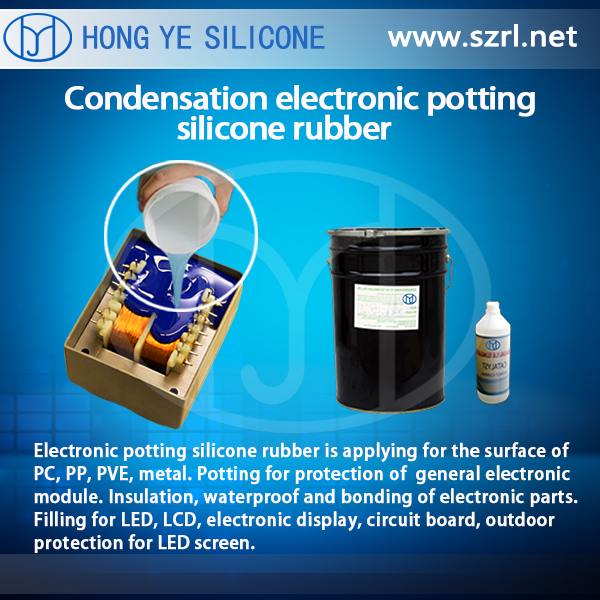
This article examines market trends and demand drivers for optical laser platform vibration isolation gel, including industry growth factors, supplier selection criteria, and global adoption trends.
Optical Laser Platform Vibration Isolation Gel
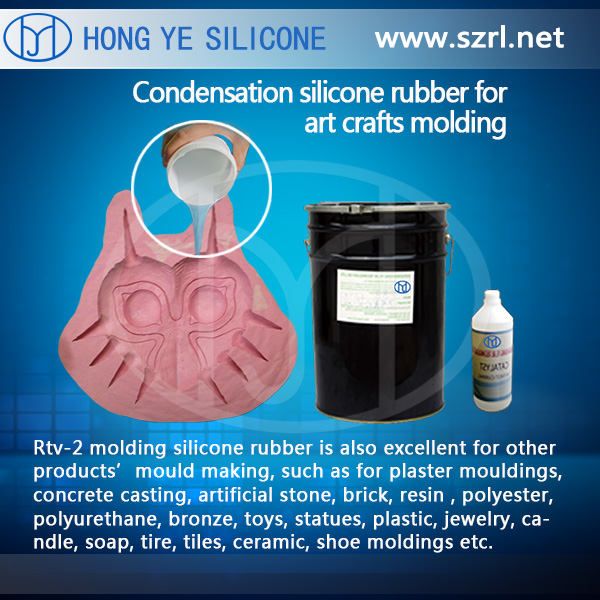
Buddha craft mold silicone is a condensation‑cure RTV‑2 two‑component liquid silicone rubber, specially developed for the reproduction of Buddha statues, religious figurines and detailed sculpture crafts.
Buddha Craft Mold Silicone: High‑Detail RTV‑2 Silicone Rubber for Sculpture Reproduction