
Pad Printing in New Energy Vehicle and Auto Parts Industry: Applications and Challenges
author: Lulu
2026-08-26
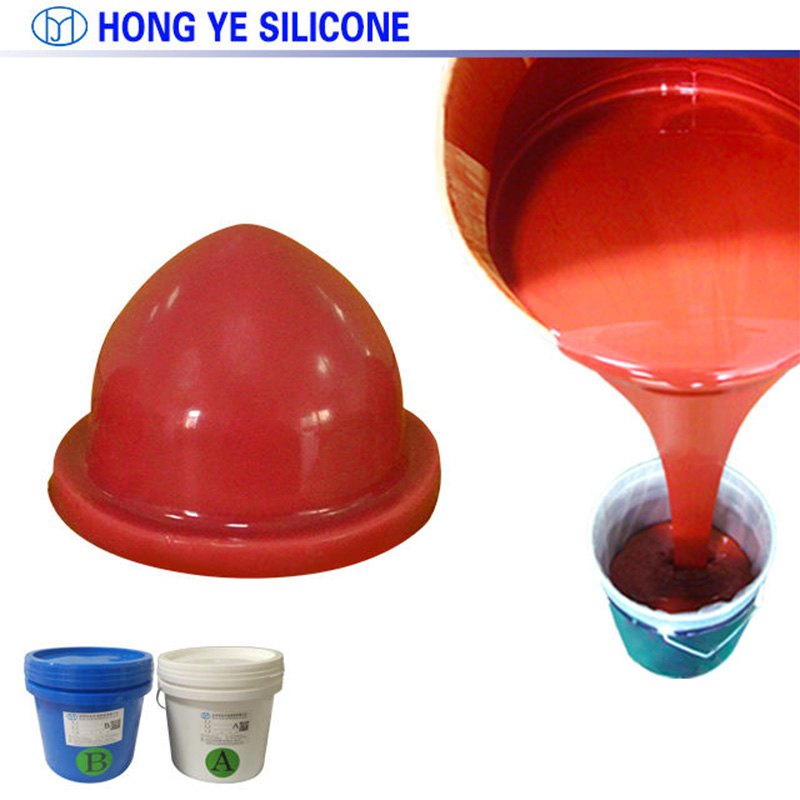
As the global new energy vehicle industry develops rapidly, manufacturing processes and quality requirements for auto parts continue to improve. Marking and printing are indispensable, including button symbols, instrument scales, part numbers, safety warning labels, and brand logos. Pad printing prints clear fine patterns on irregular curved surfaces, concave-convex surfaces, and small areas, making it widely used in auto parts.
Application Scenarios
Automotive Buttons and Switches: Steering wheel, center console, window, air conditioning buttons. Curved or concave-convex surfaces requiring clear wear-resistant symbols and numbers.
Instrument and Display Panels: Dashboard scales, warning light symbols, display panel markings requiring fine printing, accurate positioning, UV and high temperature resistance.
Interior Parts: Trim strips, door armrests, center console panels with brand marks, function symbols, and texture patterns on various materials and shapes.
Battery and Charging Components: Battery housings, BMS modules, charging interfaces, charging pile components requiring part numbers, warning labels, and parameter information on plastic and metal surfaces.
Electronic Components: Sensors, connectors, control modules requiring identification printing on small areas and irregular surfaces.
Exterior Parts: Vehicle emblems, trim strips, door handles, mirror housings requiring markings with good weather resistance and fade resistance.
Technical Requirements
High Wear Resistance: Automotive buttons pressed repeatedly, patterns must remain clear after tens of thousands of presses, requiring good ink pick-up, strong adhesion, and wear-resistant long-life pads.
Weather Resistance: Interior parts exposed to sunlight with large temperature variations, patterns must be UV-resistant, heat-resistant, cold-resistant, without fading, cracking, or peeling.
Printing Precision: Button symbols and instrument scales require accurate positioning, sharp edges, and fine lines.
Environmental Requirements: Interior parts directly contact the human body, must meet automotive VOC emission and hazardous substance standards, silicone and ink must be eco-friendly non-toxic.
Batch Consistency: Large-volume production requires consistent color, clarity, and positioning across batches.
Multi-Material Adaptation: Works on ABS, PC, PP, PVC, metal, glass and other materials.
Challenges
New Material Adaptation: Lightweight composites, new engineering plastics, special battery housing coatings have different surface energies, requiring re-verification of ink adhesion and printing effects.
Large Curved Surface Printing: Center screens, integrated interior panels require large-size specially shaped pads beyond traditional dimensions.
High-Beat Production: Rapidly growing EV output accelerates production 节拍,requiring faster printing, longer pad life, and shorter changeover times.
Automation Integration: Auto parts production increasingly uses automated lines, requiring standardized pad installation, convenient replacement, and stable predictable results.
Tightening Environmental Regulations: Global automotive regulations tighten VOC emissions, hazardous substance restrictions, and recyclability requirements.
Silicone Selection Tips
Select hardness by surface shape: medium-hard (like 918) for flat buttons and markings for sharp fine printing; general-purpose or slightly softer (like 912, 901) for curved and concave-convex surfaces for full contact.
Select model by wear requirement: wear-resistant grades (like 902, 918) for frequently pressed buttons to extend life; general-purpose for decorative markings with less contact.
Value batch stability: choose suppliers with strict quality control and stable batches (like Hongye Silicone) to reduce adjustments and defects.
Focus on environmental certification: choose silicone passing environmental tests and meeting automotive VOC requirements.
Multi-color needs: choose multi-color models (like 912 in red, yellow, white, green) for interior color matching.
Always verify: conduct small-batch tests for new materials or new ink to verify adhesion, wear resistance, and weather resistance before mass production.
Hongye Silicone Automotive Solutions
Hongye Silicone has focused on liquid silicone for over 20 years, providing a full range: 912 multi-color eco general-purpose, 902 wear-resistant, 918 precision printing, 916 extra-soft, 928 addition-cure. The company provides full technical support from selection to process optimization, recommending the most suitable model based on product material, shape, printing requirements, and automation equipment, assisting with printing tests and optimization to help customers improve quality, reduce costs, and meet strict automotive requirements.
Application Scenarios
Automotive Buttons and Switches: Steering wheel, center console, window, air conditioning buttons. Curved or concave-convex surfaces requiring clear wear-resistant symbols and numbers.
Instrument and Display Panels: Dashboard scales, warning light symbols, display panel markings requiring fine printing, accurate positioning, UV and high temperature resistance.
Interior Parts: Trim strips, door armrests, center console panels with brand marks, function symbols, and texture patterns on various materials and shapes.
Battery and Charging Components: Battery housings, BMS modules, charging interfaces, charging pile components requiring part numbers, warning labels, and parameter information on plastic and metal surfaces.
Electronic Components: Sensors, connectors, control modules requiring identification printing on small areas and irregular surfaces.
Exterior Parts: Vehicle emblems, trim strips, door handles, mirror housings requiring markings with good weather resistance and fade resistance.
Technical Requirements
High Wear Resistance: Automotive buttons pressed repeatedly, patterns must remain clear after tens of thousands of presses, requiring good ink pick-up, strong adhesion, and wear-resistant long-life pads.
Weather Resistance: Interior parts exposed to sunlight with large temperature variations, patterns must be UV-resistant, heat-resistant, cold-resistant, without fading, cracking, or peeling.
Printing Precision: Button symbols and instrument scales require accurate positioning, sharp edges, and fine lines.
Environmental Requirements: Interior parts directly contact the human body, must meet automotive VOC emission and hazardous substance standards, silicone and ink must be eco-friendly non-toxic.
Batch Consistency: Large-volume production requires consistent color, clarity, and positioning across batches.
Multi-Material Adaptation: Works on ABS, PC, PP, PVC, metal, glass and other materials.
Challenges
New Material Adaptation: Lightweight composites, new engineering plastics, special battery housing coatings have different surface energies, requiring re-verification of ink adhesion and printing effects.
Large Curved Surface Printing: Center screens, integrated interior panels require large-size specially shaped pads beyond traditional dimensions.
High-Beat Production: Rapidly growing EV output accelerates production 节拍,requiring faster printing, longer pad life, and shorter changeover times.
Automation Integration: Auto parts production increasingly uses automated lines, requiring standardized pad installation, convenient replacement, and stable predictable results.
Tightening Environmental Regulations: Global automotive regulations tighten VOC emissions, hazardous substance restrictions, and recyclability requirements.
Silicone Selection Tips
Select hardness by surface shape: medium-hard (like 918) for flat buttons and markings for sharp fine printing; general-purpose or slightly softer (like 912, 901) for curved and concave-convex surfaces for full contact.
Select model by wear requirement: wear-resistant grades (like 902, 918) for frequently pressed buttons to extend life; general-purpose for decorative markings with less contact.
Value batch stability: choose suppliers with strict quality control and stable batches (like Hongye Silicone) to reduce adjustments and defects.
Focus on environmental certification: choose silicone passing environmental tests and meeting automotive VOC requirements.
Multi-color needs: choose multi-color models (like 912 in red, yellow, white, green) for interior color matching.
Always verify: conduct small-batch tests for new materials or new ink to verify adhesion, wear resistance, and weather resistance before mass production.
Hongye Silicone Automotive Solutions
Hongye Silicone has focused on liquid silicone for over 20 years, providing a full range: 912 multi-color eco general-purpose, 902 wear-resistant, 918 precision printing, 916 extra-soft, 928 addition-cure. The company provides full technical support from selection to process optimization, recommending the most suitable model based on product material, shape, printing requirements, and automation equipment, assisting with printing tests and optimization to help customers improve quality, reduce costs, and meet strict automotive requirements.
Condensation‑Cure Silicone Rubber for Resin Sculpture Molds: Professional Molding Material for Craft Artwork
Silicone Custom Service Expanded
Related Article

Hongye Silicone updates its global sample delivery workflow to shorten preparation cycle and improve sample‑order service experience for international buyers.
Hongye Silicone Updates Global Sample Delivery Process

Common pad printing head defects including bubbles, blurred patterns, cracking and short life, with causes and solutions from making to usage.Common pad printing head defects including bubbles, blurred patterns, cracking and short life, with causes and solutions from making to usage.
Pad Printing Head Common Defect Troubleshooting Guide
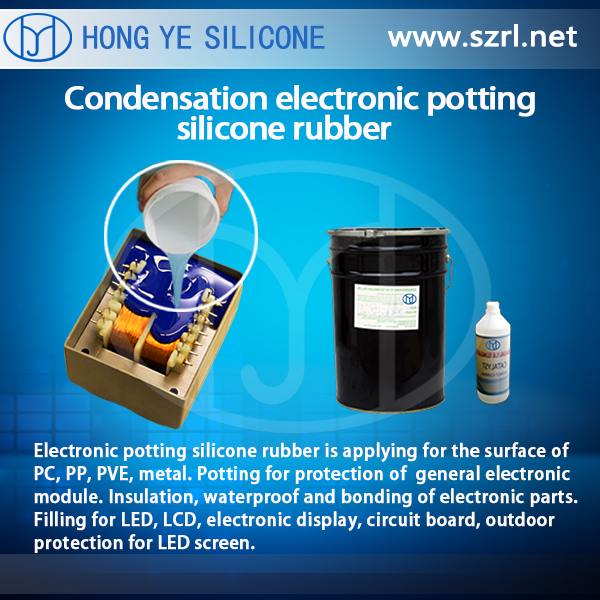
This article examines market trends and demand drivers for optical laser platform vibration isolation gel, including industry growth factors, supplier selection criteria, and global adoption trends.
Optical Laser Platform Vibration Isolation Gel
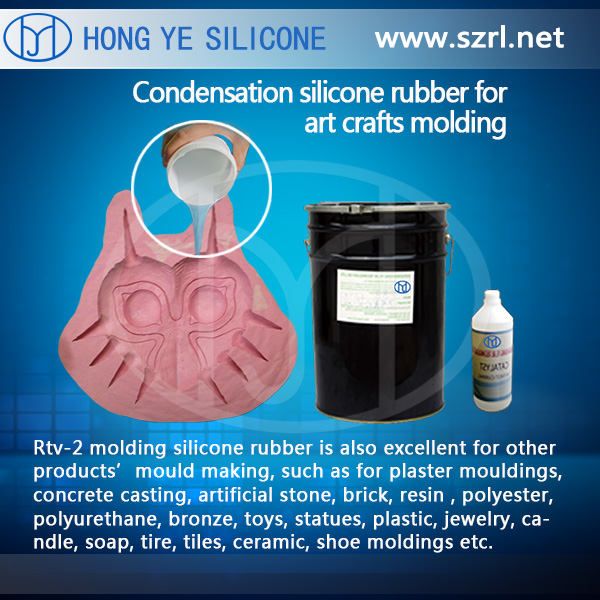
Buddha craft mold silicone is a condensation‑cure RTV‑2 two‑component liquid silicone rubber, specially developed for the reproduction of Buddha statues, religious figurines and detailed sculpture crafts.
Buddha Craft Mold Silicone: High‑Detail RTV‑2 Silicone Rubber for Sculpture Reproduction