How Self-Adhesive Potting Silicone Solves Transformer Insulation and Heat Dissipation Challenges
2026-08-07
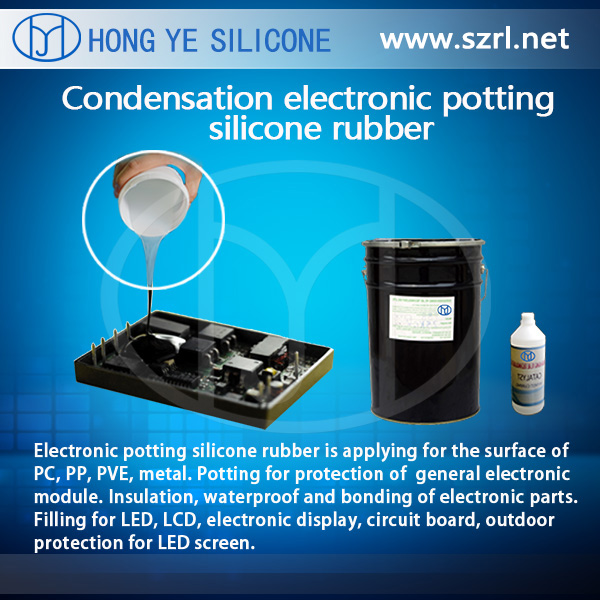
Hong Ye Silicone has developed a solution that addresses these pain points directly. The HY-9 Series self-adhesive silicone potting compound bonds to metal cores, copper windings, plastic housings and PCB surfaces without any primer treatment. This eliminates an entire processing step from the production line, reducing both labor time and material cost.
The ultra-low viscosity of the HY-9 Series is another critical advantage for transformer applications. With mixed viscosity ranging from 600 to 1400 cps depending on the model, the compound flows easily into the tight gaps between coil layers and around internal components, ensuring complete filling without voids. Air trapped in winding structures can cause partial discharge and eventual insulation failure, making thorough void-free encapsulation essential for product reliability.
Thermal performance is equally important. During operation, transformers and power modules generate significant heat that must be conducted away from sensitive components. The HY-9 Series achieves thermal conductivity of no less than 0.2 W/(m.K), helping to maintain safe operating temperatures and extend product lifespan.
For production efficiency, the 1:1 mixing ratio simplifies dispensing operations, and the flexible cure schedule accommodates different manufacturing workflows. Room temperature cure takes approximately 8 hours, while heat cure at 80C reduces the process to about 20 minutes for high-volume lines.
Three models cover a range of requirements. HY-9300 is a zero-hardness self-adhesive gel suitable for transparent potting where visual inspection of windings is needed. HY-9400 offers an ultra-soft consistency for deep-layer filling of large power modules that demand maximum shock absorption. HY-9405 provides slightly firmer gel at 5 Shore A for applications requiring more structural support.
The HY-9 Series complies with RoHS, UL, MSDS and REACH standards, with strict quality control maintained under the ISO9001 management system. Custom formulation services are available to adjust hardness, viscosity, curing speed and color for specific application needs.
Medical Grade RTV-2 Liquid Silicone Rubber for Robot Skin Artificial Skin Lifelike Texture
Low‑density RTV Silicone Foam Gains Traction in New Energy Thermal Insulation Projects
Related Article

Liquid silicone foam is a two-part addition curing RTV2 silicone rubber, foamed chemically by mixable A and B liquid components. It features 2–7 times high foaming ratio, uniform pores, low shrinkage and stable flexibility from -65℃ to 200℃. Eco-friendly and easy to operate, it suits industrial sealing and soft product manufacturing. We also provide mold making silicone, pad printing silicone, electronic potting compound, human body silicone and robot silicone.
High-Stability Addition Curing Liquid Silicone Foam

Finding reliable platinum silicone for candle molds requires checking factory scale, certifications like FDA and REACH, and shrinkage rates. Trading companies lack consistency, while small workshops struggle with batch stability. HONG YE SILICONE offers 20 production lines, 220 tons monthly capacity, and flexible MOQs. Addition curing silicone ensures near-zero shrinkage and food-grade safety, making it a trusted choice.
Quality platinum silicone for candle molds - which to trust?

Shenzhen Hong Ye Jie Technology Co., Ltd launches HYJ‑RS‑031 wide‑temperature‑resistant friction‑resistant robot skin silicone. This platinum‑addition RTV‑2 silicone works stably from ‑60℃ to 200℃, has good friction resistance, supports multi‑layer composite molding, with adjustable hardness from 0‑30A. It is ideal for humanoid robot dexterous hands, facial skin, medical simulation models and special‑effect props. It supports
Temperature‑Stable Bionic Silicone for Humanoid Robot Gripper & Simulation Industry
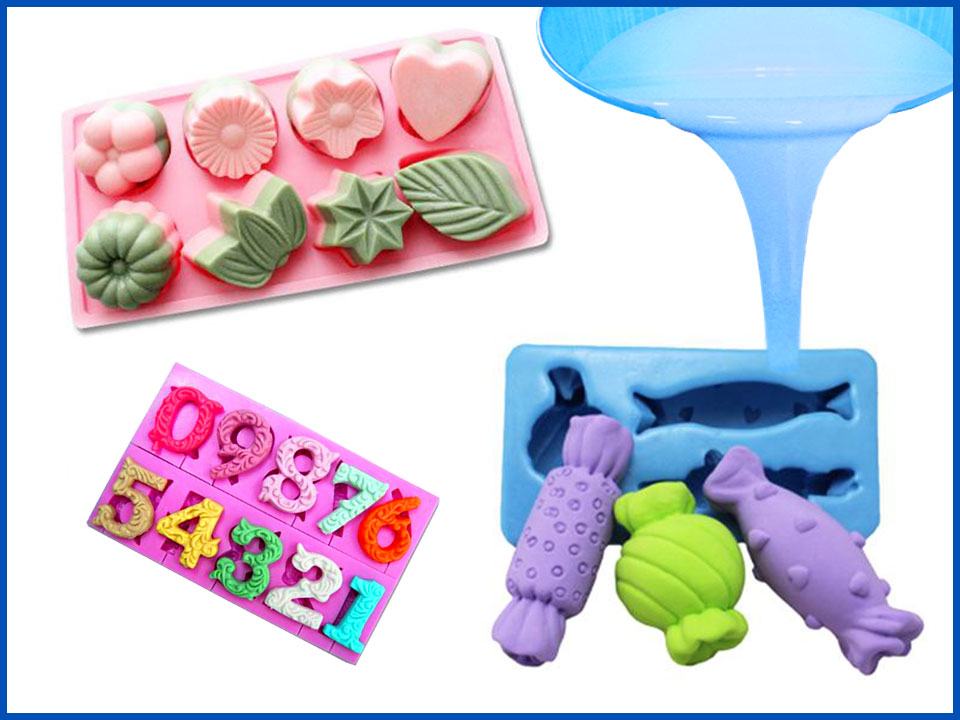
Choosing a mold making silicone factory comes down to five checks: platinum cure chemistry with near-zero shrinkage, hardness from soft food-grade to firm GRC grades, documented certifications, stable capacity, and flexible low-MOQ sampling. Compare traders, workshops and integrated plants on price, consistency and exports. HONG YE SILICONE is one reference: about 220 tons monthly capacity, HY-E series 10-50 Shore A, exports to 138 countries, 2kg MOQ. Always sample on your master models first.
Trusted mold making silicone factory how to choose in 2026