How Two-Component Silicone Potting Solves Thermal Management and Durability Challenges in Solar Inverter Design
author: Kimi
2026-08-10
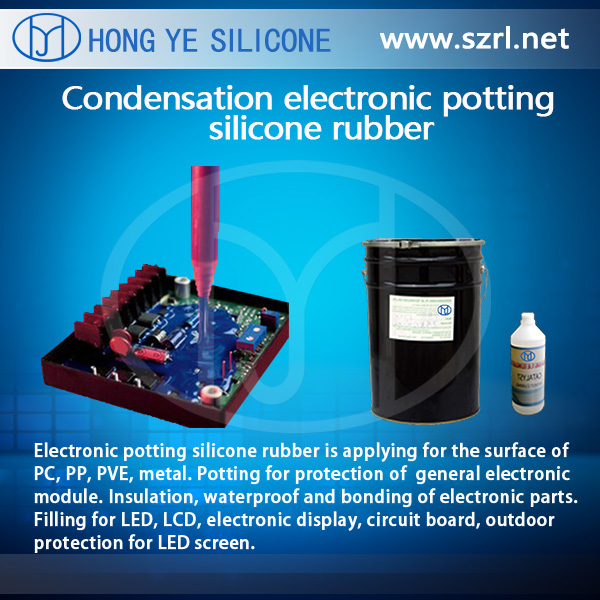
The fundamental challenge in solar inverter design is managing the conflict between compact packaging and effective heat dissipation. Modern string inverters pack IGBT modules, high-frequency transformers, capacitors, and control circuitry into increasingly compact enclosures to reduce material costs and installation space. This density creates significant thermal challenges, as power semiconductors generate substantial heat during switching operations. Thermally conductive silicone potting compounds with ratings up to 0.6 W/mK create efficient thermal pathways from heat-generating components to the inverter aluminum housing, which serves as the primary heat sink. By maintaining junction temperatures within safe operating limits, effective thermal management directly extends the inverter service life and supports the industry-standard 25-year warranty periods.
Thermal cycling presents another critical challenge that silicone potting addresses uniquely. In desert installations where daytime temperatures exceed 50 degrees Celsius and nighttime temperatures drop below zero, inverter internal components experience temperature swings of over 80 degrees Celsius every single day. Rigid epoxy potting compounds generate internal stresses during these cycles, eventually developing micro-cracks that compromise moisture protection. Silicone potting compounds, with their inherent elastic memory and operating range from minus 60 to 220 degrees Celsius, expand and contract freely with thermal cycling without generating internal stress. This elastic behavior eliminates the cracking failure mechanism that limits the service life of rigid encapsulants.
Moisture protection is equally critical for inverter reliability. Power electronics operating in humid tropical climates or coastal installations face continuous threat of corrosion from salt-laden moisture. Silicone potting compounds provide IP67-level environmental sealing that creates a complete moisture barrier around all sensitive components. The hydrophobic nature of cured silicone further prevents water film formation on protected surfaces, while the flexible seal maintains its integrity through decades of service without the micro-cracking that compromises rigid alternatives.
From a manufacturing perspective, two-component silicone potting compounds offer significant production advantages. The 1:1 mixing ratio enables precise automated dispensing systems, ensuring consistent mix quality across high-volume production runs. The low viscosity of specialized formulations allows complete penetration of complex inverter geometries, filling gaps around capacitors, between IGBT modules, and around control board connectors without manual intervention. Self-leveling properties ensure uniform coverage without additional spreading operations. Room temperature curing eliminates the need for energy-intensive oven curing processes, reducing manufacturing costs and supporting lean production workflows.
As global solar installations continue their exponential growth trajectory toward exceeding 1 TW of annual capacity by 2030, the reliability of power conversion equipment becomes increasingly important for maintaining grid stability and maximizing return on investment for solar asset owners. Silicone potting technology, with its proven combination of thermal management, thermal cycling durability, moisture protection, and rework capability, has established itself as the preferred encapsulation solution for next-generation photovoltaic inverter design.
Thermal cycling presents another critical challenge that silicone potting addresses uniquely. In desert installations where daytime temperatures exceed 50 degrees Celsius and nighttime temperatures drop below zero, inverter internal components experience temperature swings of over 80 degrees Celsius every single day. Rigid epoxy potting compounds generate internal stresses during these cycles, eventually developing micro-cracks that compromise moisture protection. Silicone potting compounds, with their inherent elastic memory and operating range from minus 60 to 220 degrees Celsius, expand and contract freely with thermal cycling without generating internal stress. This elastic behavior eliminates the cracking failure mechanism that limits the service life of rigid encapsulants.
Moisture protection is equally critical for inverter reliability. Power electronics operating in humid tropical climates or coastal installations face continuous threat of corrosion from salt-laden moisture. Silicone potting compounds provide IP67-level environmental sealing that creates a complete moisture barrier around all sensitive components. The hydrophobic nature of cured silicone further prevents water film formation on protected surfaces, while the flexible seal maintains its integrity through decades of service without the micro-cracking that compromises rigid alternatives.
From a manufacturing perspective, two-component silicone potting compounds offer significant production advantages. The 1:1 mixing ratio enables precise automated dispensing systems, ensuring consistent mix quality across high-volume production runs. The low viscosity of specialized formulations allows complete penetration of complex inverter geometries, filling gaps around capacitors, between IGBT modules, and around control board connectors without manual intervention. Self-leveling properties ensure uniform coverage without additional spreading operations. Room temperature curing eliminates the need for energy-intensive oven curing processes, reducing manufacturing costs and supporting lean production workflows.
As global solar installations continue their exponential growth trajectory toward exceeding 1 TW of annual capacity by 2030, the reliability of power conversion equipment becomes increasingly important for maintaining grid stability and maximizing return on investment for solar asset owners. Silicone potting technology, with its proven combination of thermal management, thermal cycling durability, moisture protection, and rework capability, has established itself as the preferred encapsulation solution for next-generation photovoltaic inverter design.
HONG YE SILICONE High-temperature Resistant Foaming Silicone Optimized For Industrial Oven Sealing Applications
Low‑density RTV Silicone Foam Gains Traction in New Energy Thermal Insulation Projects
Related Article

Liquid silicone foam is a two-part addition curing RTV2 silicone rubber, foamed chemically by mixable A and B liquid components. It features 2–7 times high foaming ratio, uniform pores, low shrinkage and stable flexibility from -65℃ to 200℃. Eco-friendly and easy to operate, it suits industrial sealing and soft product manufacturing. We also provide mold making silicone, pad printing silicone, electronic potting compound, human body silicone and robot silicone.
High-Stability Addition Curing Liquid Silicone Foam

Finding reliable platinum silicone for candle molds requires checking factory scale, certifications like FDA and REACH, and shrinkage rates. Trading companies lack consistency, while small workshops struggle with batch stability. HONG YE SILICONE offers 20 production lines, 220 tons monthly capacity, and flexible MOQs. Addition curing silicone ensures near-zero shrinkage and food-grade safety, making it a trusted choice.
Quality platinum silicone for candle molds - which to trust?

Shenzhen Hong Ye Jie Technology Co., Ltd launches HYJ‑RS‑031 wide‑temperature‑resistant friction‑resistant robot skin silicone. This platinum‑addition RTV‑2 silicone works stably from ‑60℃ to 200℃, has good friction resistance, supports multi‑layer composite molding, with adjustable hardness from 0‑30A. It is ideal for humanoid robot dexterous hands, facial skin, medical simulation models and special‑effect props. It supports
Temperature‑Stable Bionic Silicone for Humanoid Robot Gripper & Simulation Industry
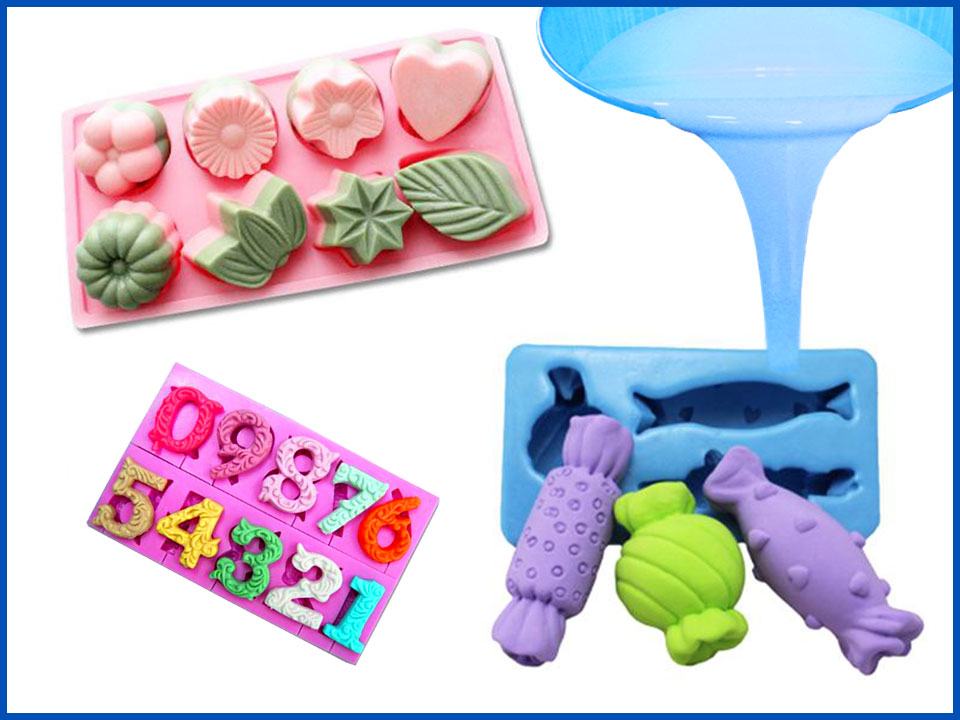
Choosing a mold making silicone factory comes down to five checks: platinum cure chemistry with near-zero shrinkage, hardness from soft food-grade to firm GRC grades, documented certifications, stable capacity, and flexible low-MOQ sampling. Compare traders, workshops and integrated plants on price, consistency and exports. HONG YE SILICONE is one reference: about 220 tons monthly capacity, HY-E series 10-50 Shore A, exports to 138 countries, 2kg MOQ. Always sample on your master models first.
Trusted mold making silicone factory how to choose in 2026