
Pad Printing Head Manufacturing Process Guide How to Make High Quality Durable Pad
author: Lulu
2026-08-31
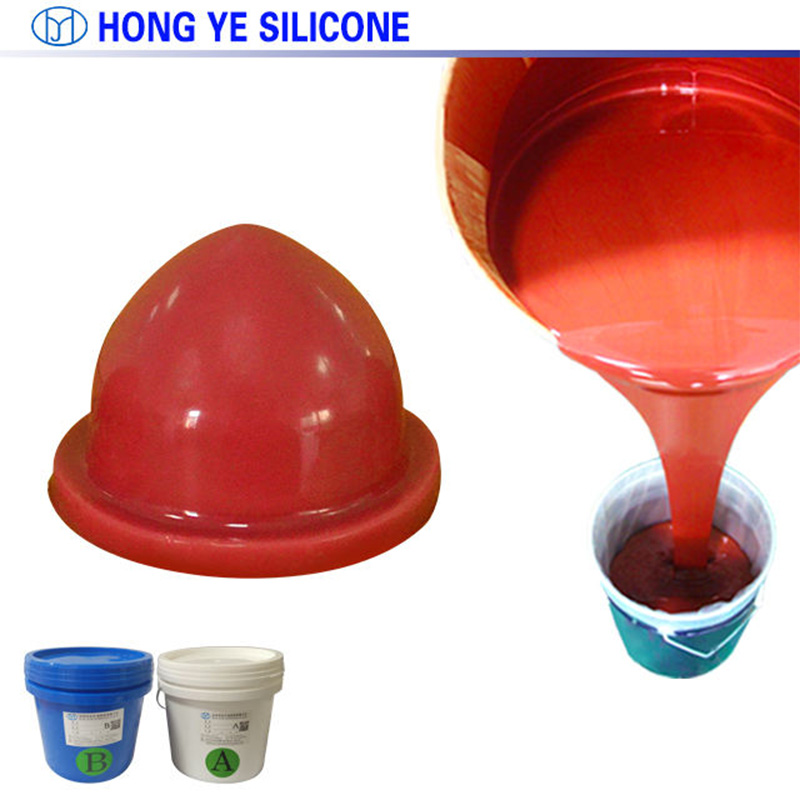
Pad printing head quality directly affects printing results and production efficiency. Many enterprises face bubbles, uneven hardness, short life and blurred patterns due to non standardized making process. This guide introduces the complete process.
Preparation Work
First prepare the mold. Clean thoroughly to remove dust and oil, wipe with alcohol, apply release agent evenly, leave 5 to 10 minutes to dry. Place mold on level surface. Then prepare materials. Select right hardness model based on product shape. Stir component A thoroughly for 1 to 2 minutes before use. Prepare electronic scale and mixing tools.
Weighing and Mixing
Standard ratio is 100:2 by weight, weigh accurately within ±5 percent. Excessive B causes hard brittle pads, insufficient B causes incomplete curing. Mix thoroughly 3 to 5 minutes, scrape container walls and bottom. Uniform color means complete mixing. Pour promptly within 30 to 40 minutes working time.
Pouring and Degassing
Pour slowly from one side of mold, let flow naturally, fill to 80 percent. Degas at negative 0.09MPa for 2 to 3 minutes if vacuum available. Without vacuum, sit 5 to 10 minutes for natural bubble release. Gently cover after degassing.
Curing and Post Treatment
Cure 2 to 4 hours at 25°C, or 30 to 60 minutes at 60°C, temperature not exceeding 100°C. Demold gently, rest 24 hours before use. Wipe surface with alcohol, test print first. Store wrapped in cool dry place.
Common Defects
Bubbles caused by air entrainment and insufficient degassing. Uneven hardness from poor mixing. Incomplete curing from wrong ratio or low temperature. Master prevention methods improves qualification rate.
Hongye Support
Hongye Silicone has 20 years experience, professional technical team provides full process support from selection to process optimization. 1kg trial kits available. Contact for more information.
Preparation Work
First prepare the mold. Clean thoroughly to remove dust and oil, wipe with alcohol, apply release agent evenly, leave 5 to 10 minutes to dry. Place mold on level surface. Then prepare materials. Select right hardness model based on product shape. Stir component A thoroughly for 1 to 2 minutes before use. Prepare electronic scale and mixing tools.
Weighing and Mixing
Standard ratio is 100:2 by weight, weigh accurately within ±5 percent. Excessive B causes hard brittle pads, insufficient B causes incomplete curing. Mix thoroughly 3 to 5 minutes, scrape container walls and bottom. Uniform color means complete mixing. Pour promptly within 30 to 40 minutes working time.
Pouring and Degassing
Pour slowly from one side of mold, let flow naturally, fill to 80 percent. Degas at negative 0.09MPa for 2 to 3 minutes if vacuum available. Without vacuum, sit 5 to 10 minutes for natural bubble release. Gently cover after degassing.
Curing and Post Treatment
Cure 2 to 4 hours at 25°C, or 30 to 60 minutes at 60°C, temperature not exceeding 100°C. Demold gently, rest 24 hours before use. Wipe surface with alcohol, test print first. Store wrapped in cool dry place.
Common Defects
Bubbles caused by air entrainment and insufficient degassing. Uneven hardness from poor mixing. Incomplete curing from wrong ratio or low temperature. Master prevention methods improves qualification rate.
Hongye Support
Hongye Silicone has 20 years experience, professional technical team provides full process support from selection to process optimization. 1kg trial kits available. Contact for more information.
Hongye Silicone Expands Overseas Technical Support Service
Analytical Balance Vibration Damping with Jelly Gel
Related Article

Hongye Silicone updates its global sample delivery workflow to shorten preparation cycle and improve sample‑order service experience for international buyers.
Hongye Silicone Updates Global Sample Delivery Process

Common pad printing head defects including bubbles, blurred patterns, cracking and short life, with causes and solutions from making to usage.Common pad printing head defects including bubbles, blurred patterns, cracking and short life, with causes and solutions from making to usage.
Pad Printing Head Common Defect Troubleshooting Guide
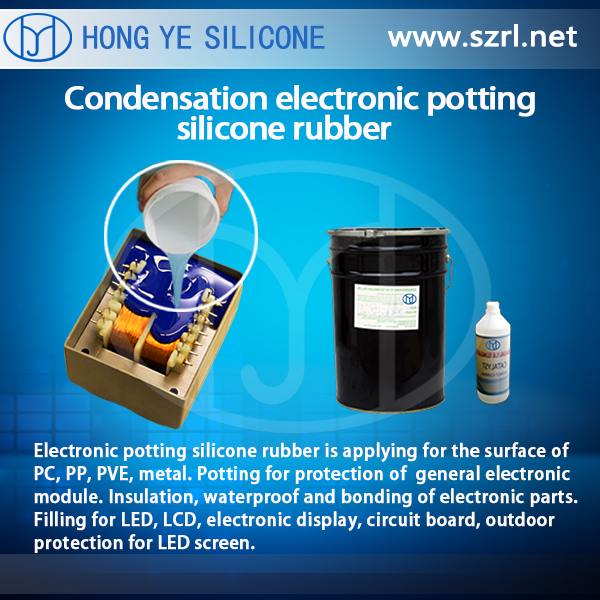
This article examines market trends and demand drivers for optical laser platform vibration isolation gel, including industry growth factors, supplier selection criteria, and global adoption trends.
Optical Laser Platform Vibration Isolation Gel
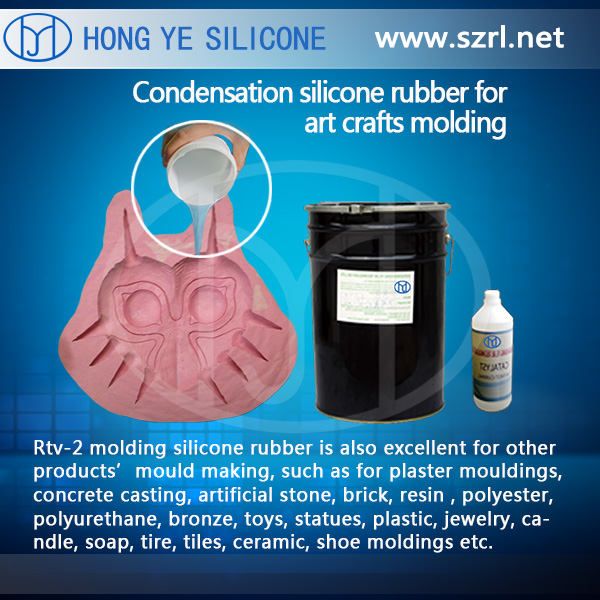
Buddha craft mold silicone is a condensation‑cure RTV‑2 two‑component liquid silicone rubber, specially developed for the reproduction of Buddha statues, religious figurines and detailed sculpture crafts.
Buddha Craft Mold Silicone: High‑Detail RTV‑2 Silicone Rubber for Sculpture Reproduction