Pad Printing Silicone vs Other Printing Methods
author: Lulu
2026-08-13
In the manufacturing and decorating industry, choosing the right printing method is crucial for achieving quality, durability, and cost-effectiveness. Pad printing, also known as tampography, is one of the most versatile printing methods available today. This article compares pad printing silicone technology with other common printing methods and explains why pad printing silicone is the preferred choice for many applications.
Pad printing is an offset printing process that uses a silicone pad to transfer a 2D image onto a 3D surface. The process involves etching the desired image onto a printing plate (cliché), applying ink to the etched area, and then using a silicone pad to pick up the ink and transfer it to the substrate. The silicone pad's unique ability to conform to curved, uneven, and irregular surfaces makes it indispensable in modern manufacturing.
Screen printing uses a mesh stencil to transfer ink onto flat surfaces. While it excels at large flat areas, it struggles with curved or irregular surfaces. Pad printing has a clear advantage when printing on complex 3D shapes, concave or convex surfaces, and small detailed areas that screen printing simply cannot reach. Screen printing provides thicker ink layers, while pad printing offers thinner, more precise layers. Pad printing also has faster setup for small parts and complex geometries. Generally, pad printing is best for small, curved, or detailed items, while screen printing excels at large flat surfaces.
Digital printing, including inkjet and UV printing, directly applies ink without plates or screens and offers great flexibility for variable data printing. However, pad printing provides better ink adhesion on non-porous surfaces like plastic, silicone, and metal. Pad printing ink is generally more durable and scratch-resistant than digital printing inks. For medium to high volume production runs, pad printing is typically more cost-effective. Pad printing also works on a wider range of substrate materials and shapes. Digital printing is ideal for variable data and flat surfaces, while pad printing delivers durable marks on 3D parts.
Hot stamping uses heat and pressure to transfer foil onto a surface, creating a metallic or colored finish. Pad printing is much better suited for multicolor printing and complex graphics. It also handles textured and uneven surfaces better than hot stamping. Pad printing has lower setup costs for short runs and offers a wider color range. Hot stamping provides unique metallic effects on flat surfaces, while pad printing handles multicolor designs on 3D parts with greater versatility.
The key advantages of pad printing silicone are numerous. Its 3D surface capability allows printing on curved, angled, recessed, and irregular surfaces that other methods cannot handle. Fine detail resolution enables reproduction of extremely fine lines, small text, and intricate patterns. The technology is compatible with a wide range of materials including plastic, metal, glass, ceramic, wood, and silicone. Pad printing produces consistent, uniform results across thousands of parts and supports high-speed automated production with thousands of impressions per hour. It also supports multicolor printing with precise registration and generates minimal ink waste through efficient transfer.
The quality of the silicone pad directly determines printing outcomes. Important factors include hardness (softer pads of 20-30A for curved surfaces, harder pads of 40-50A for flat surfaces and fine detail), ink transfer performance, tear resistance, shrinkage rate, and rebound properties. When selecting pad printing silicone, match the hardness to your substrate, consider the ink type, evaluate production volume, check relevant certifications, and always test before full production.
Shenzhen Hong Ye Jie Technology Co., Ltd. has been manufacturing premium RTV silicone materials since 1998. Our HY-9 series pad printing silicone products are trusted by manufacturers worldwide for consistent batch-to-batch quality, excellent ink transfer performance, long service life and durability, wide range of hardness options from 0 to 50 Shore A, and multiple product series for different applications. All products are certified with ISO 9001, FDA, UL, CE, RoHS, and REACH. We offer free samples and professional technical support from our 10,000 sqm factory with 20 production lines, exporting to more than 138 countries worldwide.
For more information about pad printing silicone products, contact Hong Ye Silicone at info@szrl.net or visit www.szrl.net.
Pad printing is an offset printing process that uses a silicone pad to transfer a 2D image onto a 3D surface. The process involves etching the desired image onto a printing plate (cliché), applying ink to the etched area, and then using a silicone pad to pick up the ink and transfer it to the substrate. The silicone pad's unique ability to conform to curved, uneven, and irregular surfaces makes it indispensable in modern manufacturing.
Screen printing uses a mesh stencil to transfer ink onto flat surfaces. While it excels at large flat areas, it struggles with curved or irregular surfaces. Pad printing has a clear advantage when printing on complex 3D shapes, concave or convex surfaces, and small detailed areas that screen printing simply cannot reach. Screen printing provides thicker ink layers, while pad printing offers thinner, more precise layers. Pad printing also has faster setup for small parts and complex geometries. Generally, pad printing is best for small, curved, or detailed items, while screen printing excels at large flat surfaces.
Digital printing, including inkjet and UV printing, directly applies ink without plates or screens and offers great flexibility for variable data printing. However, pad printing provides better ink adhesion on non-porous surfaces like plastic, silicone, and metal. Pad printing ink is generally more durable and scratch-resistant than digital printing inks. For medium to high volume production runs, pad printing is typically more cost-effective. Pad printing also works on a wider range of substrate materials and shapes. Digital printing is ideal for variable data and flat surfaces, while pad printing delivers durable marks on 3D parts.
Hot stamping uses heat and pressure to transfer foil onto a surface, creating a metallic or colored finish. Pad printing is much better suited for multicolor printing and complex graphics. It also handles textured and uneven surfaces better than hot stamping. Pad printing has lower setup costs for short runs and offers a wider color range. Hot stamping provides unique metallic effects on flat surfaces, while pad printing handles multicolor designs on 3D parts with greater versatility.
The key advantages of pad printing silicone are numerous. Its 3D surface capability allows printing on curved, angled, recessed, and irregular surfaces that other methods cannot handle. Fine detail resolution enables reproduction of extremely fine lines, small text, and intricate patterns. The technology is compatible with a wide range of materials including plastic, metal, glass, ceramic, wood, and silicone. Pad printing produces consistent, uniform results across thousands of parts and supports high-speed automated production with thousands of impressions per hour. It also supports multicolor printing with precise registration and generates minimal ink waste through efficient transfer.
The quality of the silicone pad directly determines printing outcomes. Important factors include hardness (softer pads of 20-30A for curved surfaces, harder pads of 40-50A for flat surfaces and fine detail), ink transfer performance, tear resistance, shrinkage rate, and rebound properties. When selecting pad printing silicone, match the hardness to your substrate, consider the ink type, evaluate production volume, check relevant certifications, and always test before full production.
Shenzhen Hong Ye Jie Technology Co., Ltd. has been manufacturing premium RTV silicone materials since 1998. Our HY-9 series pad printing silicone products are trusted by manufacturers worldwide for consistent batch-to-batch quality, excellent ink transfer performance, long service life and durability, wide range of hardness options from 0 to 50 Shore A, and multiple product series for different applications. All products are certified with ISO 9001, FDA, UL, CE, RoHS, and REACH. We offer free samples and professional technical support from our 10,000 sqm factory with 20 production lines, exporting to more than 138 countries worldwide.
For more information about pad printing silicone products, contact Hong Ye Silicone at info@szrl.net or visit www.szrl.net.
Future Trend: Custom‑Formulated Condensation‑Cure Silicone Will Further Boost Roman‑Column & Architectural‑Ornament Manufacturing
Hongye Silicone Offers Customized Parameter Adjustment Service for Mold Silicone to Adapt to Diverse Production Conditions of Global Clients
Related Article
Hongye Silicone updates its global sample delivery workflow to shorten preparation cycle and improve sample‑order service experience for international buyers.
Hongye Silicone Updates Global Sample Delivery Process
Common pad printing head defects including bubbles, blurred patterns, cracking and short life, with causes and solutions from making to usage.Common pad printing head defects including bubbles, blurred patterns, cracking and short life, with causes and solutions from making to usage.
Pad Printing Head Common Defect Troubleshooting Guide
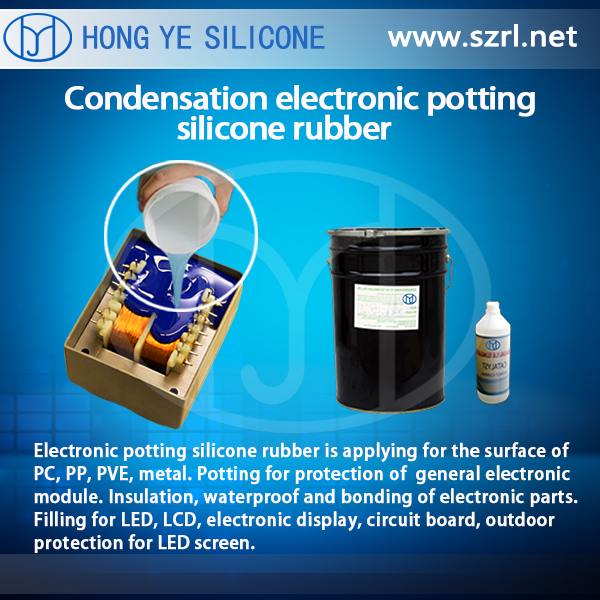
This article examines market trends and demand drivers for optical laser platform vibration isolation gel, including industry growth factors, supplier selection criteria, and global adoption trends.
Optical Laser Platform Vibration Isolation Gel
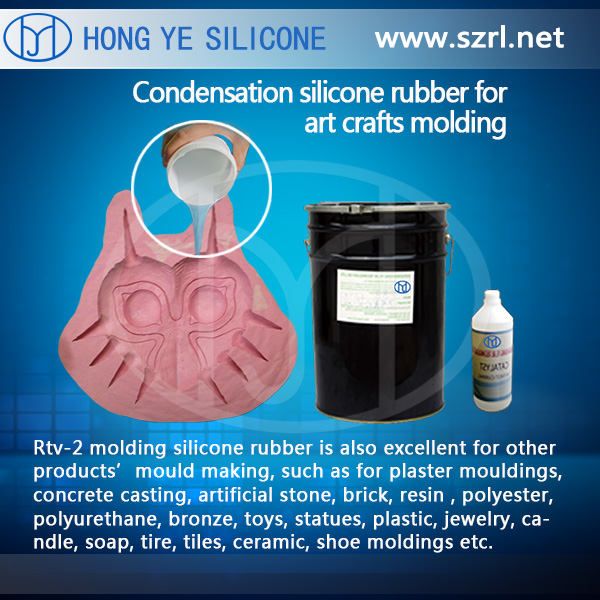
Buddha craft mold silicone is a condensation‑cure RTV‑2 two‑component liquid silicone rubber, specially developed for the reproduction of Buddha statues, religious figurines and detailed sculpture crafts.
Buddha Craft Mold Silicone: High‑Detail RTV‑2 Silicone Rubber for Sculpture Reproduction