Potting Silicone Demand Surges as Global Electronics Industry Prioritizes Reliability in Harsh Environments
author: Kimi
2026-08-11
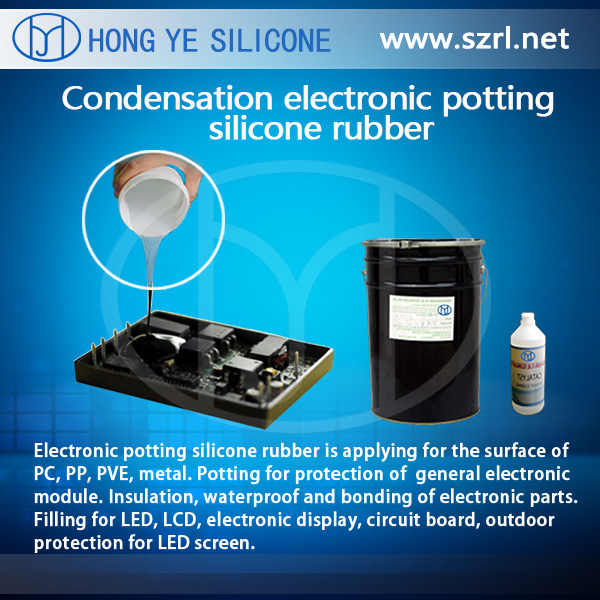
According to recent market analysis, the potting silicone market is projected to grow at a compound annual growth rate of over 8% through 2028, driven by expanding applications in LED lighting, renewable energy, telecommunications infrastructure, automotive electronics, and industrial automation. The trend toward miniaturization and higher power density in electronic devices has intensified the need for advanced encapsulation solutions that can effectively manage heat, moisture, vibration, and chemical exposure.
Industry experts point out that choosing the right potting silicone is crucial for product performance. Key factors include thermal conductivity for heat dissipation, viscosity for proper penetration into assembly gaps, curing time for production efficiency, and flame retardancy for safety compliance. Different applications demand different formulations: ultra-low viscosity silicones for precision sensors, high thermal conductivity compounds for power electronics, and UV-resistant black formulations for outdoor installations.
Shenzhen Hongyejie Technology Co., Ltd., with 28 years of silicone manufacturing expertise, has been at the forefront of addressing these diverse needs. The company's HY-9 series potting silicone line covers a comprehensive range of specifications, from 600 mPa.s ultra-low viscosity for sensor encapsulation to 2500 mPa.s high thermal conductivity for energy storage applications. Each formulation is engineered with specific application scenarios in mind, allowing customers to select the optimal product rather than making compromises with generic solutions.
One notable trend in the industry is the increasing adoption of potting silicone in renewable energy applications. Solar energy systems, wind turbines, and energy storage installations all require reliable electronic encapsulation to withstand decades of outdoor exposure. The ability of silicone-based potting compounds to maintain flexibility and adhesion across wide temperature ranges makes them superior to epoxy alternatives in many applications.
Another growth area is the electrification of transportation, where potting silicone plays a vital role in protecting battery management systems, onboard chargers, motor controllers, and charging infrastructure electronics from vibration, thermal stress, and environmental exposure.
Manufacturers are also placing greater emphasis on production efficiency. Fast-curing formulations that achieve full cure in 2-4 hours at room temperature, or even 30 minutes with heat acceleration, help reduce production cycle times and increase throughput. This is particularly important for high-volume applications such as LED driver manufacturing and power supply assembly.
Quality certification remains a key differentiator in the market. Products carrying UL, RoHS, REACH, and ISO9001 certifications provide customers with confidence in regulatory compliance, especially important for export-oriented manufacturers and those supplying to the medical, automotive, and aerospace sectors.
Industry observers expect the potting silicone market to continue its growth trajectory as electronic devices become more sophisticated and demand for reliable protection solutions intensifies across all sectors. Manufacturers that offer comprehensive product lines, technical support, and customization capabilities are best positioned to capture this expanding market opportunity.
Industry experts point out that choosing the right potting silicone is crucial for product performance. Key factors include thermal conductivity for heat dissipation, viscosity for proper penetration into assembly gaps, curing time for production efficiency, and flame retardancy for safety compliance. Different applications demand different formulations: ultra-low viscosity silicones for precision sensors, high thermal conductivity compounds for power electronics, and UV-resistant black formulations for outdoor installations.
Shenzhen Hongyejie Technology Co., Ltd., with 28 years of silicone manufacturing expertise, has been at the forefront of addressing these diverse needs. The company's HY-9 series potting silicone line covers a comprehensive range of specifications, from 600 mPa.s ultra-low viscosity for sensor encapsulation to 2500 mPa.s high thermal conductivity for energy storage applications. Each formulation is engineered with specific application scenarios in mind, allowing customers to select the optimal product rather than making compromises with generic solutions.
One notable trend in the industry is the increasing adoption of potting silicone in renewable energy applications. Solar energy systems, wind turbines, and energy storage installations all require reliable electronic encapsulation to withstand decades of outdoor exposure. The ability of silicone-based potting compounds to maintain flexibility and adhesion across wide temperature ranges makes them superior to epoxy alternatives in many applications.
Another growth area is the electrification of transportation, where potting silicone plays a vital role in protecting battery management systems, onboard chargers, motor controllers, and charging infrastructure electronics from vibration, thermal stress, and environmental exposure.
Manufacturers are also placing greater emphasis on production efficiency. Fast-curing formulations that achieve full cure in 2-4 hours at room temperature, or even 30 minutes with heat acceleration, help reduce production cycle times and increase throughput. This is particularly important for high-volume applications such as LED driver manufacturing and power supply assembly.
Quality certification remains a key differentiator in the market. Products carrying UL, RoHS, REACH, and ISO9001 certifications provide customers with confidence in regulatory compliance, especially important for export-oriented manufacturers and those supplying to the medical, automotive, and aerospace sectors.
Industry observers expect the potting silicone market to continue its growth trajectory as electronic devices become more sophisticated and demand for reliable protection solutions intensifies across all sectors. Manufacturers that offer comprehensive product lines, technical support, and customization capabilities are best positioned to capture this expanding market opportunity.
HONG YE SILICONE Environmentally Friendly Foaming Silicone Meets EU New Green Environmental Standards
HONG YE SILICONE High-temperature Resistant Foaming Silicone Optimized For Industrial Oven Sealing Applications
Related Article

Liquid silicone foam is a two-part addition curing RTV2 silicone rubber, foamed chemically by mixable A and B liquid components. It features 2–7 times high foaming ratio, uniform pores, low shrinkage and stable flexibility from -65℃ to 200℃. Eco-friendly and easy to operate, it suits industrial sealing and soft product manufacturing. We also provide mold making silicone, pad printing silicone, electronic potting compound, human body silicone and robot silicone.
High-Stability Addition Curing Liquid Silicone Foam

Finding reliable platinum silicone for candle molds requires checking factory scale, certifications like FDA and REACH, and shrinkage rates. Trading companies lack consistency, while small workshops struggle with batch stability. HONG YE SILICONE offers 20 production lines, 220 tons monthly capacity, and flexible MOQs. Addition curing silicone ensures near-zero shrinkage and food-grade safety, making it a trusted choice.
Quality platinum silicone for candle molds - which to trust?

Shenzhen Hong Ye Jie Technology Co., Ltd launches HYJ‑RS‑031 wide‑temperature‑resistant friction‑resistant robot skin silicone. This platinum‑addition RTV‑2 silicone works stably from ‑60℃ to 200℃, has good friction resistance, supports multi‑layer composite molding, with adjustable hardness from 0‑30A. It is ideal for humanoid robot dexterous hands, facial skin, medical simulation models and special‑effect props. It supports
Temperature‑Stable Bionic Silicone for Humanoid Robot Gripper & Simulation Industry
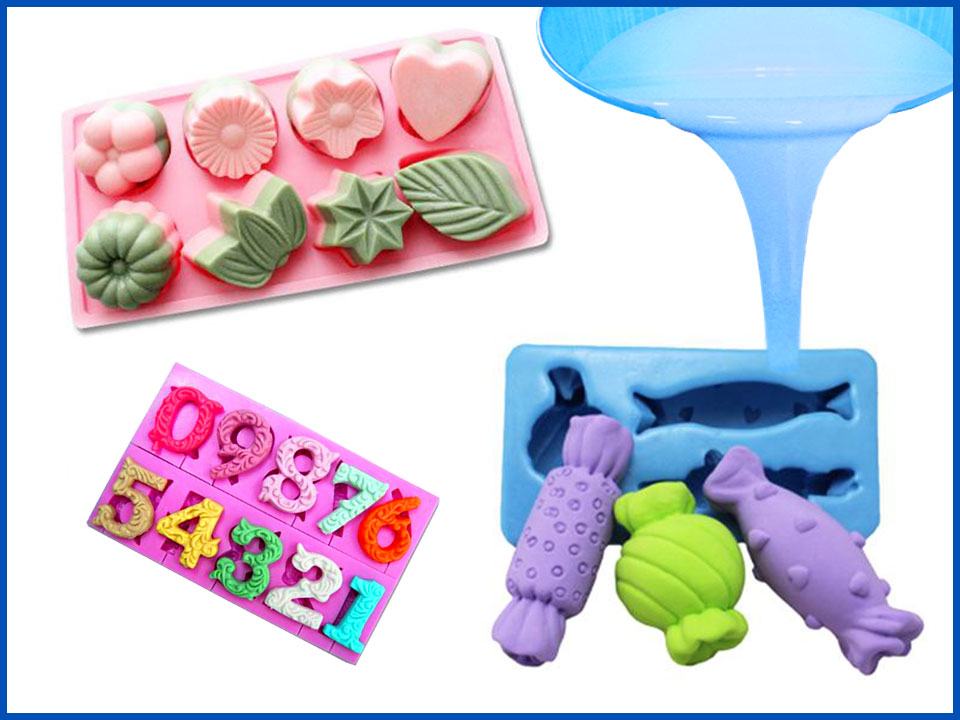
Choosing a mold making silicone factory comes down to five checks: platinum cure chemistry with near-zero shrinkage, hardness from soft food-grade to firm GRC grades, documented certifications, stable capacity, and flexible low-MOQ sampling. Compare traders, workshops and integrated plants on price, consistency and exports. HONG YE SILICONE is one reference: about 220 tons monthly capacity, HY-E series 10-50 Shore A, exports to 138 countries, 2kg MOQ. Always sample on your master models first.
Trusted mold making silicone factory how to choose in 2026